
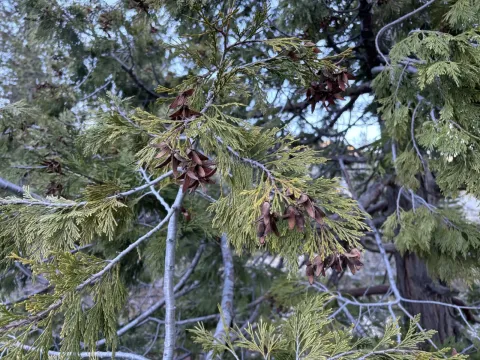
Incense cedar
Calocedrus
The incense cedar, belonging to the Cupressaceae family, is a majestic evergreen conifer native to North America and East Asia. It is valued both in forestry for its durable wood and in ornamental gardening.
What the section contains

Incense cedar
These trees require deep, well-draining, and nutrient-rich soils. They thrive in climates characterized by moderate rainfall and high atmospheric humidity, avoiding extremely arid environments.
Sunlight exposure is crucial for the healthy development of the crown. While young plants can tolerate partial shade, mature specimens perform significantly better in full sun conditions.
Temperature management is key in regions outside its native range. It is generally hardy, but sudden spring frosts can damage sensitive new growth, requiring careful site selection.
Regular maintenance involves mulch application to retain soil moisture and stabilize temperatures. Consistent, deep watering during the first few years of establishment is essential for root development.
The incense cedar is prone to various fungal pathogens, such as needle blight, which can lead to significant foliage loss if not managed with proper spacing and sanitation.
Root rot caused by Phytophthora species is a serious concern in poorly drained soils. Improving soil structure and avoiding irrigation mismanagement are the primary preventive measures.
Insect pests include the cedar bark beetle, which can inflict severe damage on stressed trees. Maintaining tree vigor through proper site selection and care is the best defense.
Scale insects are common pests that feed on plant sap, leading to stunted growth. Systematic monitoring allows for early detection and targeted treatment with horticultural oils or insecticides.
Spruce spider mites can also affect the tree during hot, dry spells. Regular inspection of the needles and maintaining high humidity around the plant can help suppress pest outbreaks.