
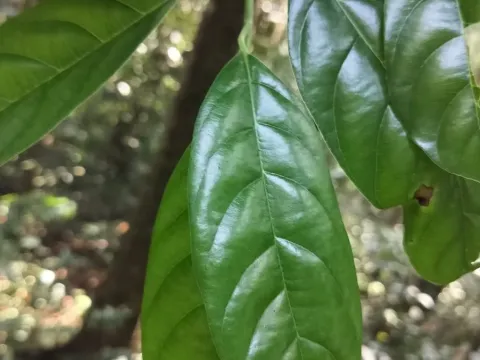
Mastixia
Mastixia
Mastixia is a genus of evergreen trees belonging to the Cornaceae family. These trees are native to the tropical forests of Southeast Asia, ranging from India to the Philippines and the Malay Archipelago.
What the section contains


Mastixia
The culture thrives in a tropical climate characterized by constant warmth and high humidity. It requires an environment with significant annual rainfall, as these trees are native to ecosystems where water availability is rarely a limiting factor.
Optimal growth occurs on well-drained, nutrient-rich soils. While the trees enjoy humidity, they are highly sensitive to waterlogging, necessitating planting sites with excellent natural drainage to prevent root decay.
As canopy trees, adult Mastixia specimens are light-demanding. Proper spacing is essential in forestry management to ensure that individual trees have access to sufficient sunlight to develop straight and healthy trunks.
Agricultural practices for this genus are primarily linked to sustainable forestry rather than intensive plantation farming. Current efforts focus on protecting wild stands and implementing selective logging techniques.
The primary economic utility of Mastixia lies in its timber, which is appreciated for its quality and physical characteristics. The wood is suitable for furniture making, general construction, and high-quality interior carpentry.
Besides its timber value, the genus is of interest in traditional medicine. Various pharmacological studies have investigated the bark and leaves of these trees for potential bioactive compounds.
The harvesting process involves identifying mature trees that have reached appropriate dimensions. Selective logging is preferred to ensure the surrounding ecosystem remains intact and continues to provide environmental services.
Future development of the species could involve agroforestry systems, where Mastixia is grown alongside other crops. This approach helps maintain biodiversity while providing economic returns to local communities.
Efficient processing of harvested timber remains a key factor in maximizing the value of the species. Proper drying and seasoning of the wood are crucial to prevent warping and ensure durability in finished products.