
Hybrid cornelian cherry
Cornus hybrids
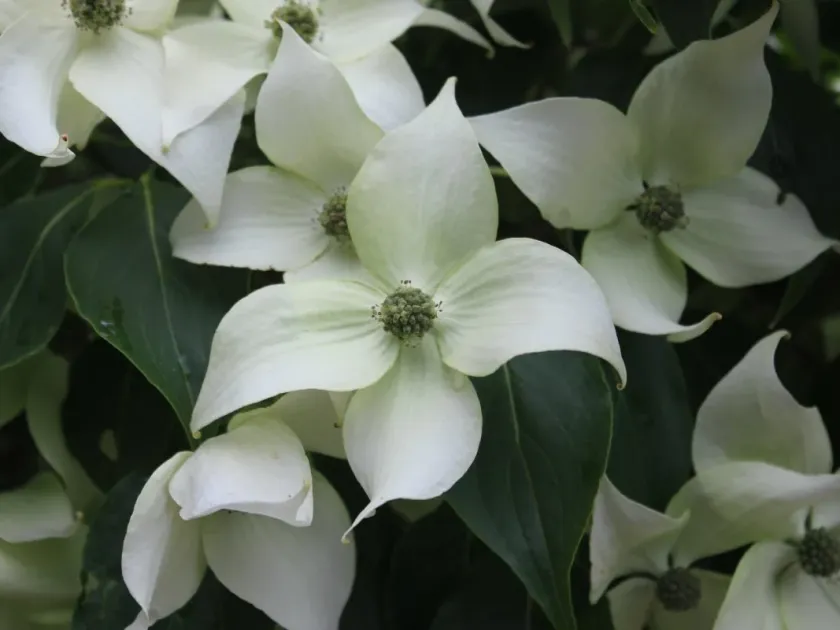
Description
Growing requirements
Hybrid cornelian cherry belongs to the Cornaceae family and represents a selection of improved varieties, primarily derived from Cornus mas. These plants are appreciated for their large, high-quality fruits that contain a rich composition of vitamins and organic acids.
The crop prefers sunny, wind-protected locations but is remarkably adaptable. It thrives in various soil types, though deep, well-drained loams with a neutral or slightly alkaline pH are considered optimal for maximizing plant growth and health.
In terms of climate, hybrid cornelian cherries are known for their high winter hardiness, allowing them to be grown in various temperate zones. While they are relatively drought-tolerant once established, supplemental irrigation is vital during fruit development.
Good agricultural practices include regular organic fertilization and strategic pruning. Shaping the canopy not only improves light penetration into the interior of the tree but also simplifies maintenance and enhances the efficiency of harvesting.
The fruit of the hybrid cornelian cherry has versatile uses in both culinary and medicinal applications. It is frequently processed into high-quality preserves, sauces, and healthy beverages, which are increasingly popular among health-conscious consumers.
Yield
The productivity of hybrid varieties is significantly higher than that of wild specimens. Under optimal conditions, trees typically begin producing significant yields by their fourth or fifth year, with output continuing to increase as the tree matures.
On average, a mature tree can yield between 35 and 70 kilograms of fruit per season. Commercially, these plants are highly regarded for their consistent production and long lifespan, often remaining productive for decades when well-cared for.
Adequate soil moisture during the fruit swelling phase is a key factor for yield quality. Regular watering prevents fruit drop and ensures that the berries achieve their maximum size, which is essential for achieving a high-grade product for the fresh market.
Cross-pollination is beneficial for fruit set, so planting several compatible varieties in the same area is recommended. This practice ensures that even in less favorable weather conditions, the trees will set enough fruit to guarantee a good harvest.
Harvesting is usually done in multiple passes. Because cornelian cherries can be picked at different stages of ripeness, the grower can decide when to harvest based on the specific market demand, whether for immediate fresh consumption or processing.
Main diseases and pests
This crop is generally characterized by high natural resistance to most common fruit tree diseases. However, in environments with consistently high humidity, mildews and leaf spot fungi can occasionally occur, requiring basic management.
Aphids are the most common pest during the active spring growth phase. Monitoring the tender shoots and applying appropriate insecticides or organic soap solutions at the first sign of infestation can prevent significant damage to the plant.
Root health is crucial for the longevity of the hybrid cornelian cherry. Poor drainage can lead to root rot; therefore, selecting a planting site that does not retain standing water is essential for successful, long-term cultivation.
Bacterial diseases of the bark or branches are rare but may occur due to improper pruning or open wounds. Standard hygiene practices, such as disinfecting tools and sealing large cuts, are recommended to maintain overall tree vigor.
Integrating biological pest control and preventative horticultural methods is the preferred approach. Maintaining a healthy balance in the garden environment minimizes the need for chemical intervention and protects the quality of the organic harvest.