
Walter's dogwood
Cornus walteri
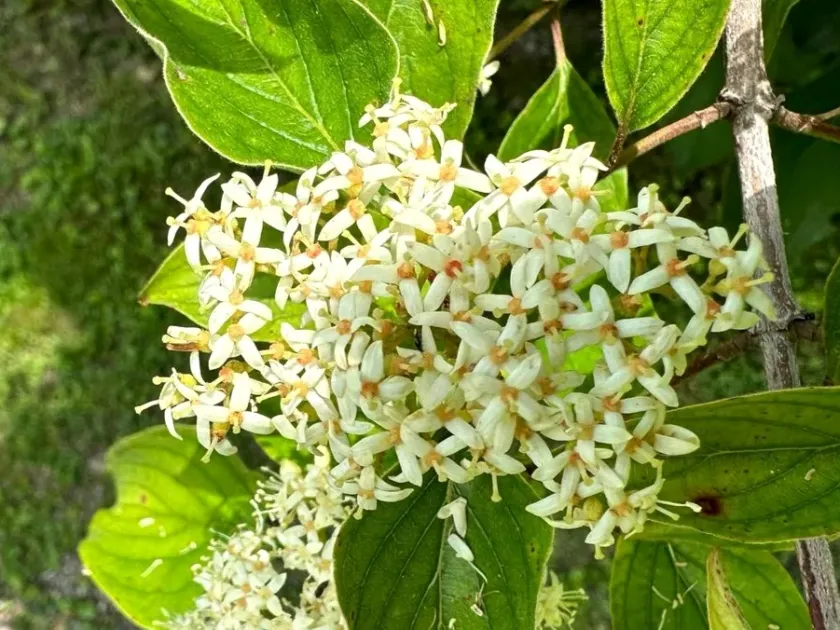
Description
Sowing dates
Seeds of Cornus walteri should be sown in late autumn to benefit from natural winter chilling, which is essential for breaking seed dormancy and ensuring successful germination.
If seeds are stored in dry conditions, they require artificial cold stratification at temperatures between 1 and 5 degrees Celsius for approximately three to four months.
The seeds are typically planted at a depth of 2 to 3 centimeters in a well-draining seed-starting mix, keeping the substrate consistently moist but never waterlogged.
Vegetative propagation is commonly achieved through semi-hardwood cuttings taken during the mid-summer months to optimize the chances of rooting.
Applying a rooting hormone to the base of the cuttings and providing high humidity under a greenhouse cover or plastic dome significantly increases the survival rate.
Growing requirements
Walter's dogwood is a deciduous tree or shrub belonging to the Cornaceae family, native to central and eastern China, known for its elegant habit and berries.
It performs best in locations with full sun to partial shade, where the soil is rich in organic matter and maintains adequate moisture throughout the growing season.
The ideal soil pH for this species is slightly acidic to neutral; heavy clay soils should be amended with sand or compost to ensure proper drainage and root aeration.
Consistent irrigation is vital during the establishment phase, as the root system needs to adapt to the planting site to support healthy top growth.
While the tree is relatively hardy, it appreciates a layer of organic mulch around the base to retain soil moisture and regulate temperature fluctuations during the year.
Main diseases and pests
Although generally robust, Walter's dogwood may be susceptible to typical Cornus diseases such as powdery mildew, especially in sites with poor air circulation.
Aphids and scale insects represent the most common pests that can infest the foliage and young twigs, potentially weakening the plant if left untreated.
Management strategies involve keeping the planting area clean of debris and pruning out any diseased or dead wood to minimize the spread of fungal spores.
In cases of severe pest infestation, the use of environmentally friendly insecticidal soaps or systemic treatments is recommended to protect the tree's vigor.
Maintaining proper plant spacing during the layout of a garden or orchard is a fundamental preventive measure to ensure airflow and reduce the humidity around leaves.