
Mastixia arborea
Mastixia arborea
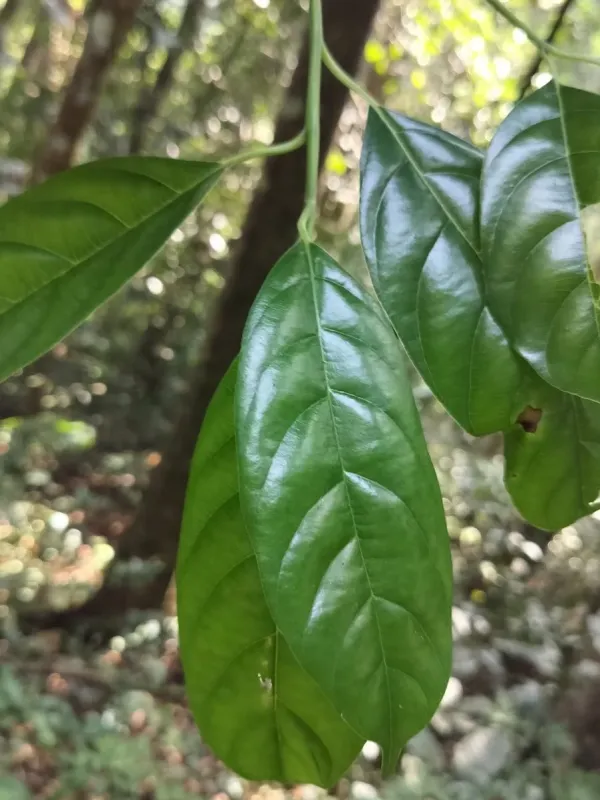
Description
Growing requirements
Mastixia arborea is a significant species belonging to the Cornaceae family. Native to the tropical rainforests of Southeast Asia, this large evergreen tree typically thrives in diverse forest habitats, spanning from lowlands to mountain slopes.
The climate requirements for this species are strictly tropical, characterized by consistent warmth and high humidity levels throughout the year. The tree performs best in environments where rainfall is evenly distributed, avoiding prolonged dry seasons.
Regarding soil, Mastixia arborea prefers deep, well-drained, and nutrient-rich soils. It exhibits poor tolerance for waterlogged conditions, making effective soil drainage a primary concern for foresters and plantation managers.
Silvicultural practices focus on providing adequate shade during the seedling stage, which mimics the natural canopy structure. As the tree matures, it transitions into a canopy or emergent layer species, requiring more light to optimize its growth rate.
The wood of Mastixia arborea is highly regarded in local and regional timber markets. Due to its balanced density and ease of processing, it is frequently utilized for construction projects, cabinet making, and various types of interior carpentry.
Main diseases and pests
The primary threats include trunk-boring beetles and fungal pathogens that can enter through surface wounds on the bark. Integrated pest management, including regular inspections, is essential to maintain the productivity of timber stands.
Harvesting
Harvesting involves systematic forest management where trees are selected based on trunk diameter and maturity. Professional logging techniques are applied to ensure sustainability and the health of the remaining forest ecosystem.