
Mastixia tetrandra
Mastixia tetrandra
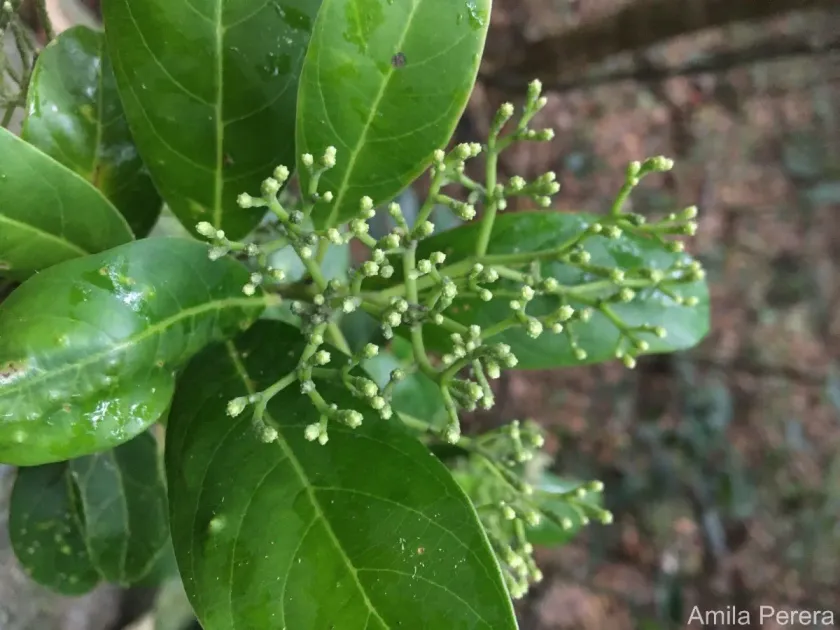
Description
Growing requirements
Mastixia tetrandra is an evergreen tree belonging to the Cornaceae family. Botanically, it is recognized for its robust woody structure and typical leaf morphology found in tropical forest strata, serving as a significant component of the local ecosystem in its native range.
The species is primarily native to Southeast Asia, including parts of Indonesia and Malaysia. It thrives in humid tropical climates characterized by high rainfall patterns and consistent temperatures throughout the year, which are essential for its physiological stability.
Cultivation requires well-drained, nutrient-rich forest soils. The species demonstrates a strong requirement for adequate soil porosity to prevent root asphyxiation, as it is naturally accustomed to the nutrient cycling of tropical leaf litter and organic matter accumulation.
Regarding agrotechnical management, the tree requires minimal intervention if planted in suitable climatic zones, but site selection remains the most important factor. Adequate spacing is necessary to allow for crown expansion and to ensure that individual trees receive sufficient photosynthetically active radiation.
The economic utilization of Mastixia tetrandra focuses on the timber industry. Its wood is valued for its density and durability, making it suitable for high-quality carpentry, construction, and specialized interior woodcrafts produced in regions where this species is harvested.