
Himalayan dogwood
Cornus oblonga
Description
Growing requirements
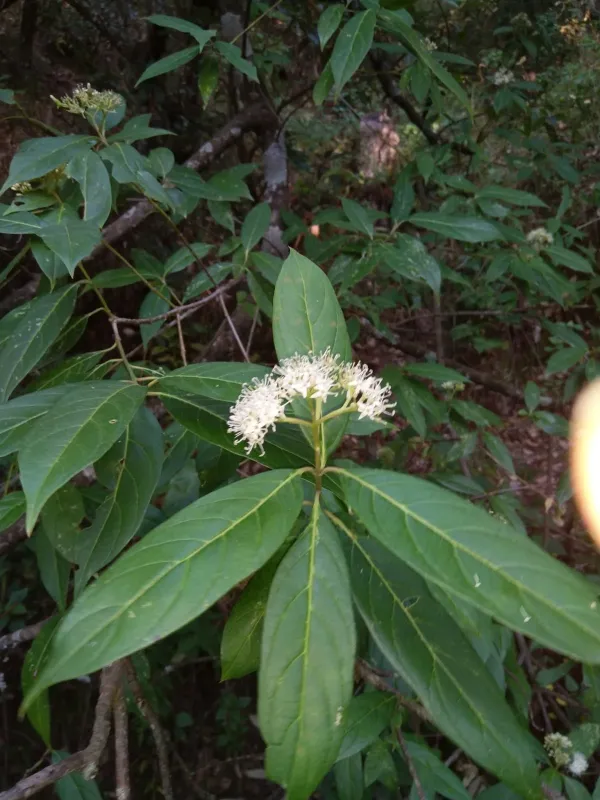
Cornus oblonga, commonly known as the Himalayan dogwood, is a distinct species within the Cornaceae family. Unlike many other dogwoods, this variety is evergreen, featuring glossy, lance-shaped leaves that maintain their foliage throughout the year.
Native to the Himalayan region, India, and China, this shrub thrives in forest habitats characterized by high atmospheric humidity and moderate temperatures. In a cultivated setting, it can reach heights of up to eight meters, often utilized as a feature plant or a screening element.
The plant requires well-drained, humus-rich soil with a slightly acidic to neutral pH level. It performs best in locations that provide partial shade, particularly protecting the foliage from scorching afternoon sun, which can cause dehydration and leaf damage.
Consistent moisture is vital for this species, especially during its formative years. However, gardeners must avoid waterlogged conditions, as the root system of Cornus oblonga is sensitive to hypoxia and can quickly succumb to root rot if soil drainage is inadequate.
Agricultural management includes annual light pruning to improve air circulation within the canopy and to shape the structure of the shrub. Given its origin, it is most suited for temperate climate zones where frost intensity is low, as severe winters can damage its evergreen foliage.
Main diseases and pests
The primary health concerns for this species involve fungal diseases such as anthracnose and powdery mildew. These pathogens thrive in stagnant air and environments with high humidity, emphasizing the importance of site selection and spacing.
Pest pressures primarily come from sap-sucking insects like aphids, scales, and mites. These pests can significantly weaken the plant, leading to stunted growth and providing entry points for secondary bacterial or fungal infections through the plant's vascular system.
Effective management strategies involve regular monitoring of the underside of leaves for signs of infestation. Integrated pest management (IPM) practices, such as introducing natural predators or using horticultural oils, are preferred over broad-spectrum chemicals.
Nutrient deficiencies, specifically magnesium or iron, may manifest as leaf chlorosis, especially in high-alkaline soils. Periodic application of chelated micronutrients can resolve these issues, ensuring the foliage remains deep green and healthy.
Sanitation practices are essential: removing fallen leaves and pruning dead wood reduces the overwintering potential of various pathogens, significantly lowering the risk of disease outbreaks in the following growing season.