
Torrey's dogwood
Cornus torreyi
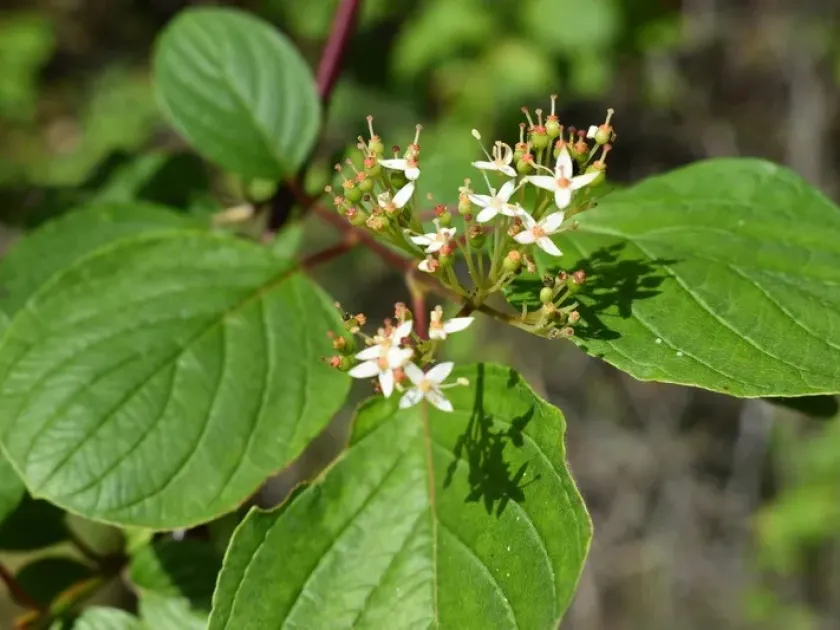
Description
Growing requirements
Torrey's dogwood (Cornus torreyi) belongs to the Cornaceae family. It is a perennial deciduous shrub recognized for its elegant growth habit and significant aesthetic value in landscaping and horticultural projects.
The species is native to western North America, where it thrives in specific ecological niches, typically found in forest edges and semi-shaded habitats with diverse soil compositions.
Cultivation requirements involve well-drained, fertile soil with a slightly acidic to neutral pH level. It is essential to choose a location that receives either full sun or partial shade, depending on the intensity of the regional summer heat.
The plant demonstrates good adaptability to varied climates, but it performs best in regions with distinct seasonal changes. Consistent soil moisture is necessary, though waterlogging must be avoided to maintain healthy root systems.
Cultural practices include regular pruning to shape the plant and remove dead wood. Using mulch around the base helps retain moisture and regulate soil temperature, which is crucial for young specimens.
Main diseases and pests
The primary diseases affecting this plant include powdery mildew, which can become prevalent if the shrubs are planted too close together, restricting airflow.
Anthracnose and other leaf spot diseases are potential threats, often triggered by prolonged wet weather and high humidity during the active growing season.
Common insect pests include aphids and scale insects, which target the tender new growth. Early detection and treatment are vital to ensure the continued vigor of the shrub.
Management strategies involve keeping the area beneath the shrub clear of debris to prevent the overwintering of fungal spores and harmful insect larvae.
Integrated pest management, including the use of neem oil or horticultural soaps, can effectively mitigate the impact of infestations without causing environmental harm.