
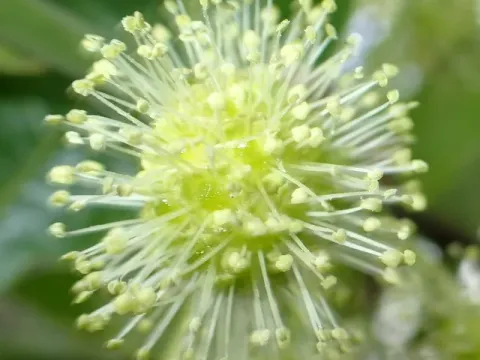
Nyssa
Nyssa
The Nyssa genus, commonly known as tupelo or black gum, belongs to the Nyssaceae family. These deciduous trees are native to North America and Southeast Asia, where they thrive in moist soils, floodplain forests, and wetlands, displaying a remarkable tolerance for waterlogged conditions.
What the section contains


Nyssa
For optimal growth, Nyssa trees require deep, acidic, and consistently moist soils. They struggle in dry or sandy substrates, making site selection a critical factor in successful cultivation. High organic matter content significantly promotes root development and overall tree vigor.
The climate requirements for Nyssa species generally involve temperate to subtropical conditions. While they are adaptable, they perform best in regions with regular rainfall and protection from extreme, drying winds that can stress young specimens during their establishment phase.
Agricultural management of Nyssa includes careful moisture monitoring and the application of mulch to retain soil hydration. Proper spacing is essential to ensure that trees have enough light and airflow as they mature, preventing competition for nutrients and water in dense plantings.
The economic value of Nyssa is significant, primarily in apiculture for the production of tupelo honey, which is highly prized for its mild flavor and slow crystallization. Additionally, the wood is utilized for its toughness, making it suitable for specialized construction and timber production.
Nyssa trees can be affected by various fungal diseases, including leaf spots and cankers, which often manifest in poorly drained areas or regions with excessive humidity and low air circulation.
Pests such as leaf rollers and scale insects may infest the foliage and bark. These insects can weaken the tree if infestations are persistent, requiring prompt horticultural intervention to prevent damage.
Management strategies focus on maintaining tree health through appropriate pruning and cleaning of the area. Removing debris around the base of the tree reduces the risk of overwintering pathogens.
Chemical control should be applied sparingly, targeting specific pests only when necessary. Integrated pest management practices help preserve the environment, which is vital for the pollinating insects that frequent the trees.
Early detection through regular inspection of leaves and branches is the best defense against major outbreaks, ensuring that the Nyssa remains a productive and healthy component of the landscape.