
Korean dogwood
Cornus coreana
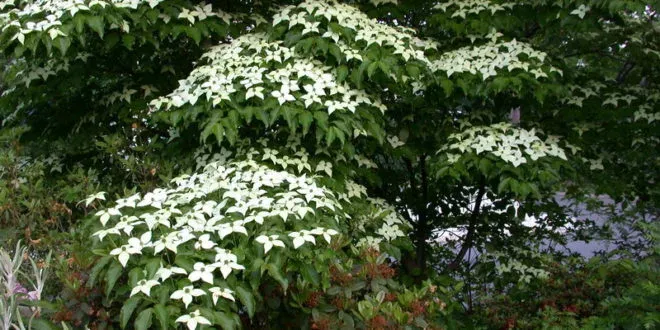
Description
Sowing dates
Propagation of Korean dogwood is typically achieved through seeds or semi-hardwood cuttings. Seeds possess deep dormancy and require a period of cold stratification, lasting approximately 3 to 4 months, to ensure germination.
Direct outdoor sowing is recommended in the autumn, allowing the natural freeze-thaw cycles of winter to break seed dormancy efficiently before the spring warming period.
Cuttings should be taken in mid-summer from healthy, non-flowering shoots. Utilizing rooting hormones and a peat-perlite mixture provides the best results for establishing a robust root system before the onset of winter.
When starting from seeds, ensure they are kept in a moist environment, such as a plastic bag with vermiculite, if stored in a refrigerator for artificial stratification before sowing.
Proper spacing during the initial nursery phase is crucial to prevent seedling competition and to ensure each plant receives adequate light and nutrients for steady growth.
Growing requirements
Korean dogwood is a member of the Cornaceae family, native to the mountainous forests of the Korean Peninsula, exhibiting excellent hardiness and structural elegance.
The shrub thrives in well-drained, fertile soil with a slightly acidic to neutral pH. It is particularly sensitive to waterlogging, thus choosing a site with natural drainage is essential for longevity.
While the plant tolerates partial shade, it achieves the best foliage density and overall health when planted in locations that receive full morning sun and afternoon protection from intense heat.
Routine moisture management is necessary, especially during the first few years of establishment. Mulching the root zone helps retain soil moisture and prevents extreme temperature fluctuations around the roots.
Pruning is usually limited to removing dead or crossing branches in early spring. This practice promotes strong framework development and maintains the characteristic shape of the species.
Main diseases and pests
The most frequent health issues affecting Korean dogwood include powdery mildew, which can significantly damage the leaves if airflow is restricted in dense plantings.
Fungal leaf spot diseases may appear during seasons of prolonged rainfall. Preventive measures involve spacing plants appropriately to allow for sufficient air circulation throughout the foliage.
Pests such as aphids and scale insects can infest young stems. Early detection and the application of horticultural soaps or systemic insecticides can prevent significant growth retardation.
Root rot, often caused by overly dense or poorly drained soil, is a critical threat. Improving soil structure through the addition of organic matter is a standard preventive agricultural practice.
Maintaining a clean garden environment by removing fallen leaves and debris reduces the overwintering potential of various pathogens, keeping the shrubs healthy throughout the season.