
Slavin dogwood
Cornus slavinii
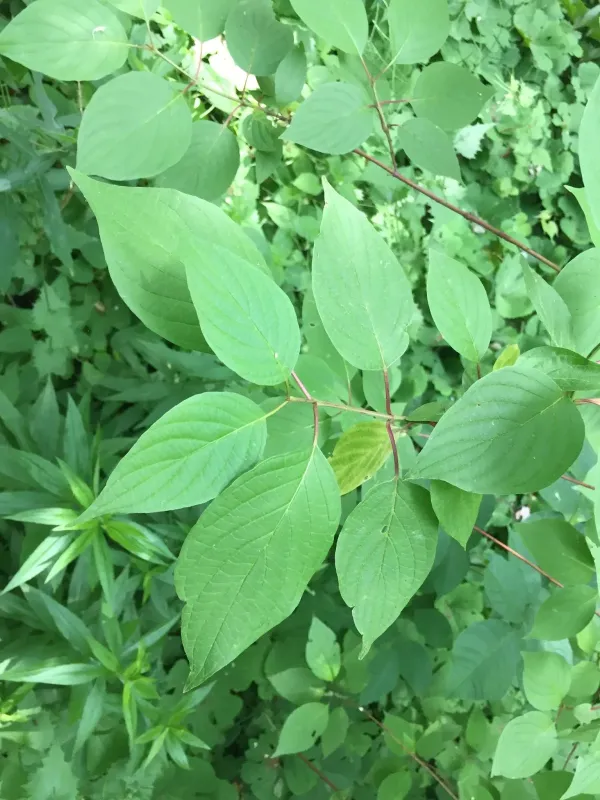
Description
Growing requirements
Slavin dogwood (Cornus slavinii) belongs to the Cornaceae family. It is a highly valued ornamental shrub recognized for its distinctive growth habit and structural beauty in residential and commercial landscape design.
This shrub thrives best in locations with full sun exposure, although it displays acceptable tolerance for partial shade. Exposure to direct sunlight is essential to stimulate the production of vibrant pigment in the foliage and stems.
The species is quite adaptable regarding soil types, provided that the growing medium is well-drained. It prefers slightly acidic to neutral soils enriched with organic matter for optimal nutrient uptake and root development.
Regular maintenance is required during the establishment phase, primarily focusing on irrigation to ensure the soil remains consistently moist. Once mature, the shrub becomes significantly more resilient to occasional dry spells.
Pruning is a critical aspect of cultivation. Annual thinning of older branches encourages new growth and keeps the shrub compact, preventing the center of the plant from becoming excessively woody or sparse.
Main diseases and pests
Fungal infections, particularly powdery mildew, are the primary disease concerns for this species. These conditions often arise in environments with poor air circulation or extended periods of high humidity.
Insect pests such as aphids and scale insects are known to infest the plant during the early growth stages. They feed on the sap of soft shoots, potentially weakening the plant if infestations are not controlled promptly.
Root rot caused by Phytophthora species can occur if the planting site is poorly drained. Ensuring proper soil preparation and installing drainage systems is the most effective preventative measure against such issues.
Integrated pest management strategies are recommended to maintain plant health. This includes the regular inspection of the undersides of leaves and the application of horticultural oils or soaps if necessary.
Maintaining a clean garden environment by removing fallen leaves and debris reduces the overwintering capacity of pests and fungal spores, thereby protecting the overall vigor of the shrub.