
Radermachera quadripinnata
Radermachera quadripinnata
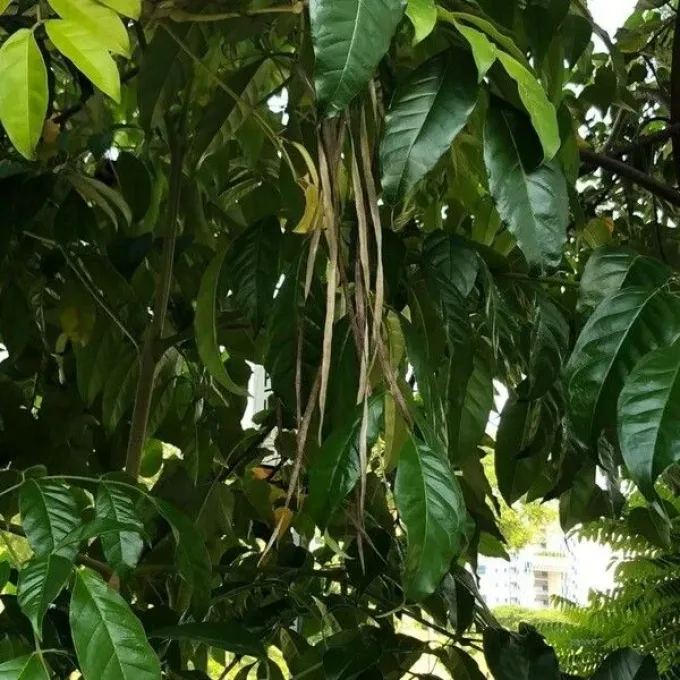
Description
Growing requirements
Radermachera quadripinnata is a tropical species belonging to the Bignoniaceae family, native to the lush forest regions of Southeast Asia. It is a perennial plant known for its complex, pinnate leaves and elegant structural growth habit.
In terms of soil requirements, this species favors well-aerated, fertile substrates with slightly acidic pH levels. Adequate drainage is absolutely critical, as the roots are highly susceptible to rot when submerged in stagnant water for extended periods.
Environmental conditions should mimic tropical habitats, focusing on high ambient humidity and stable temperatures ranging between 20 to 25 degrees Celsius. Sudden thermal fluctuations or cold drafts should be avoided at all costs to prevent leaf drop.
The plant requires bright, filtered light to thrive. While it can tolerate lower light levels, prolonged exposure to poor illumination results in leggy, spindly growth. Direct sunlight during the middle of the day must be avoided to prevent foliar damage.
Agronomic management includes regular irrigation paired with balanced fertilization during the active growing season. Applying a liquid nutrient supplement every few weeks helps maintain vibrant leaf coloration and overall plant vigor throughout the year.
Main diseases and pests
Spider mites are the most frequent threat to this crop, particularly in low-humidity environments. Other pests, such as mealybugs and aphids, can also infest the foliage, necessitating prompt identification and targeted treatment with horticultural oils or soaps.
Pathogenic threats are primarily associated with excessive soil moisture, which invites root-rotting fungi. Ensuring proper ventilation around the plant and allowing the top layer of the substrate to dry between waterings are effective management strategies for plant health.