
Radermachera gigantea
Radermachera gigantea
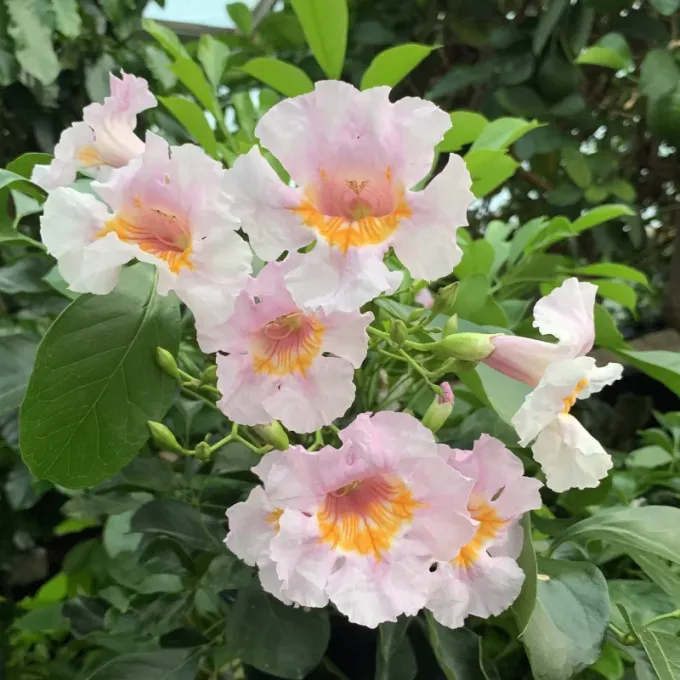
Description
Sowing dates
Radermachera gigantea is a large tree species belonging to the Bignoniaceae family. Native to the tropical regions of Asia, it is highly valued for its stature and the quality of its wood in sustainable forestry.
Propagation is primarily achieved through seeds, which require specific conditions for germination. A warm, humid environment with a well-draining substrate is essential to ensure high success rates in nursery settings.
The sowing process involves placing seeds in specialized trays under controlled lighting and temperature (approximately +24 degrees Celsius). Patience is required, as germination can take several weeks.
Once seedlings have developed their first true leaves, they are transplanted into larger containers to foster root expansion. This stage is critical for establishing a robust plant before it is moved to the field.
Timing the planting phase to coincide with the onset of the rainy season significantly improves survival rates for young trees as they acclimatize to the local soil composition.
Growing requirements
Radermachera gigantea thrives in deep, fertile soils that provide sufficient moisture without becoming waterlogged. A neutral to slightly acidic pH level is preferred for optimal nutrient uptake.
The species requires a location with bright, indirect sunlight. Exposure to harsh, direct sunlight during the early growth stages can be detrimental, causing leaf scorch and dehydration.
High relative humidity is a prerequisite for healthy development. In commercial cultivation, areas with consistent rainfall patterns or reliable irrigation systems are chosen to prevent growth stagnation.
Temperature stability is key; the tree is sensitive to cold snaps and frost, which can severely damage the canopy. A tropical or subtropical climate is ideal for maintaining the tree's health.
Spacing is another crucial factor. Ensuring each tree has enough room to spread its branches promotes uniform growth, which is essential for producing high-quality, straight timber.
Yield
The economic yield of Radermachera gigantea is measured by the volume and quality of timber produced. The wood is prized for its durability, dense grain, and aesthetic appeal in fine carpentry.
Productivity is highest in managed plantations where thinning and pruning are performed regularly. This ensures that resources are directed toward the healthiest and most vigorous trees.
The harvest cycle is a long-term undertaking, typically spanning several decades. During this time, the plantation acts as a carbon sink, contributing to environmental conservation efforts.
Sustainable harvesting practices, such as selective logging, are recommended to preserve the integrity of the soil and the local environment, ensuring that the land remains productive for future cycles.
Yield management also involves assessing the wood's moisture content and structural integrity post-harvest to ensure it meets the highest industrial standards for construction and furniture manufacturing.
Main diseases and pests
Young trees are particularly susceptible to pests like aphids and spider mites, which can drain the plant's vitality. Regular inspections and organic pest control measures are standard in professional nurseries.
Fungal pathogens pose a constant risk in humid climates, often manifesting as root rots or leaf spots. Improving air circulation throughout the plantation is an effective preventative strategy.
Powdery mildew can affect the leaves if the density of the planting is too high or if the canopy becomes too thick. Pruning helps to mitigate these humidity-related issues.
Mechanical damage from extreme weather events can weaken the tree, making it more vulnerable to pests and disease. Assessing structural damage immediately after storms is vital for recovery.
Integrated pest management (IPM) is highly encouraged to protect the trees while minimizing chemical runoff into the soil, maintaining the long-term fertility of the plantation site.