
Radermachera sinica
Radermachera sinica (Hance) Hemsl.
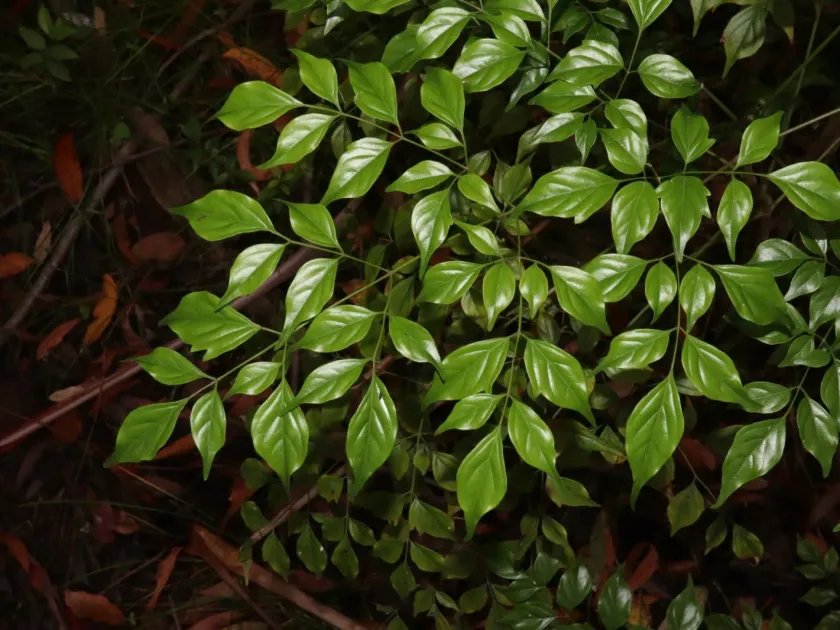
Description
Growing requirements
Radermachera sinica, a member of the Bignoniaceae family, is an attractive evergreen tree native to the subtropical mountainous regions of Southern China and Taiwan. In its natural habitat, it is a sturdy plant that thrives in warm and humid environments.
The plant requires bright, indirect light to maintain its characteristic dense foliage. Direct sunlight can cause scorched leaves, while insufficient lighting often leads to leggy stems, which diminishes the aesthetic appeal of the plant as an ornamental specimen.
Soil quality is paramount for successful cultivation. It needs a well-draining, peat-based growing medium that retains sufficient moisture without becoming waterlogged. The addition of perlite or pumice is highly recommended to improve aeration of the root system.
Consistent temperatures are vital for this plant. It flourishes between 20°C and 25°C. Exposure to cold drafts or temperatures dropping significantly below 15°C will cause the plant to drop its leaves and enter a state of dormancy or stress.
Humidity management is an essential part of the care routine. Given that the plant originates from tropical zones, it benefits greatly from daily misting or the use of humidifiers, especially during winter months when indoor heating systems dry out the air.
Main diseases and pests
Spider mites are the most prevalent pest for Radermachera sinica, especially in environments where air humidity levels are low. They feed on plant sap, causing the leaves to become mottled, yellow, and eventually drop off.
Scale insects are another common threat, attaching themselves to the stems and the undersides of the leaves. These pests are protected by a hard shell, making them difficult to eradicate without specific systemic insecticides.
Root rot is a physiological condition caused by poor drainage or overwatering. If the substrate remains constantly saturated, the lack of oxygen prevents roots from functioning, leading to wilting despite the presence of moisture.
Mealybugs can often be found in the axils of the leaves. Manual removal combined with insecticidal soap application is usually effective if the infestation is detected early before it spreads to the entire canopy.
Preventative measures, such as maintaining good ventilation and cleaning leaves periodically, are the best ways to keep the plant healthy and prevent the establishment of common greenhouse pests and fungal infections.