
Yunnan Radermachera
Radermachera yunnanensis C. Y. Wu & W. Q. Yin
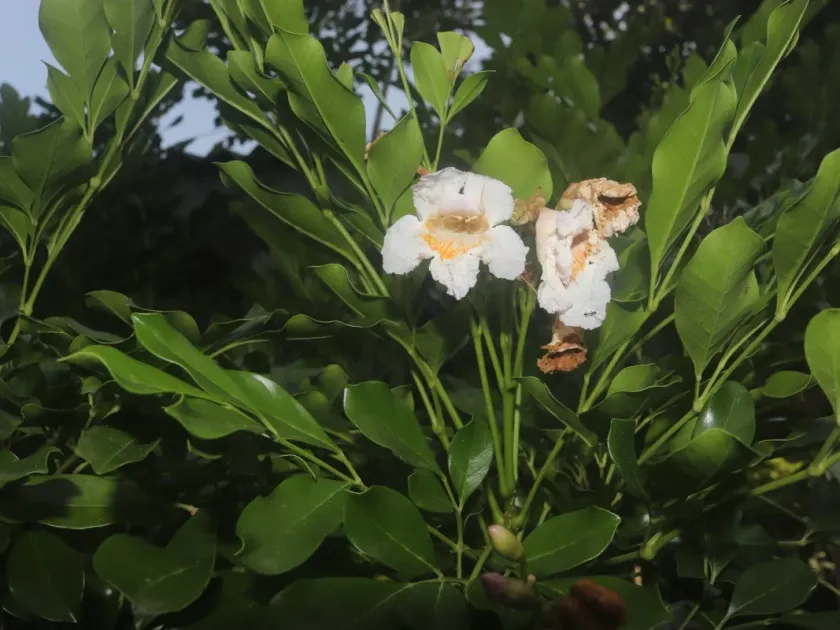
Description
Growing requirements
Yunnan Radermachera (Radermachera yunnanensis) is a distinctive evergreen tree belonging to the Bignoniaceae family. Renowned for its delicate foliage and structural elegance, it serves as a valuable ornamental plant in both horticultural collections and greenhouse environments.
Native to the Yunnan province in China, this species thrives in humid subtropical conditions and high-altitude mountain forests. Its geographic origin dictates a need for stable environmental factors, as the plant is sensitive to significant climate fluctuations and frost.
Successful cultivation requires nutrient-rich, well-drained soil with a slightly acidic to neutral pH level. Proper aeration of the root system is essential, which necessitates the use of high-quality substrate mixtures and effective drainage layers to prevent waterlogging.
The plant prefers bright, filtered light. Exposure to intense, direct midday sun can cause scorching of the leaves, while insufficient light leads to sparse growth and elongated internodes. Consistency in lighting is key to maintaining the plant's dense and attractive canopy.
A standard maintenance schedule includes regular hydration and the application of balanced fertilizers during the growing season. Pruning is necessary to maintain shape and encourage lateral branching, ensuring the plant remains compact and visually appealing over time.
Main diseases and pests
Spider mites and scale insects represent the most frequent pest challenges for this species. These pests thrive in dry conditions, making humidity management a primary preventive measure to protect the foliage from infestation and subsequent weakening.
Root rot remains the most common threat associated with poor agricultural practices. Overwatering, especially during cooler periods when the plant's metabolic activity slows down, creates favorable conditions for fungal pathogens to destroy the root system.
To manage pest risks, gardeners should implement regular sanitation practices, such as removing fallen debris and cleaning leaf surfaces. If pests are detected, systemic insecticides can be applied, provided the manufacturer's safety instructions are closely followed.
Fungal issues such as leaf spot or powdery mildew can occur if ventilation is inadequate. Improving air circulation around the plant is the most effective cultural method to reduce the humidity levels that trigger these diseases on the leaves and stems.
Overall plant health is highly responsive to cultural consistency. By adhering to a rigorous maintenance schedule and providing the correct environmental conditions, growers can effectively minimize the impact of pests and diseases on their Yunnan Radermachera specimens.