
Handroanthus heptaphyllus
Handroanthus heptaphyllus (Vell.) Mattos
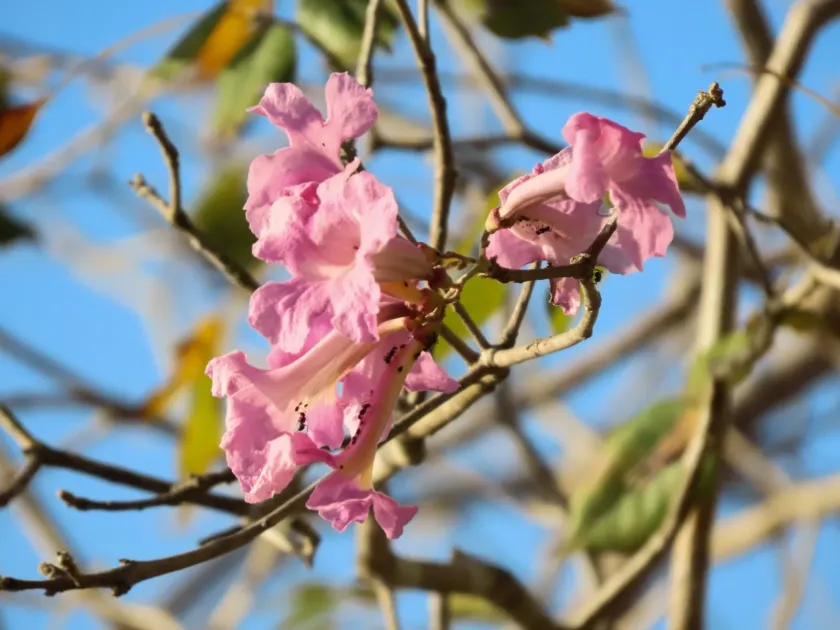
Description
Growing requirements
Handroanthus heptaphyllus, commonly known as a type of ipé or pink trumpet tree, is a prominent member of the Bignoniaceae family. Originating from South America, this tree is highly valued globally for its exceptionally hard and durable wood.
The culture thrives in well-drained, fertile soils with sufficient organic content. It is intolerant of waterlogged conditions, which can lead to rapid root decay, thus, selecting a site with proper drainage is the most vital step in the establishment process.
As a heliophilous species, it requires full sun exposure to reach its full potential. Adequate sunlight is essential not only for the vegetative growth but also for the spectacular floral display that characterizes the maturity of this tree species in its native habitat.
The agricultural management of H. heptaphyllus involves careful site preparation and young tree support. Consistent monitoring of soil pH is recommended, as this species prefers slightly acidic to neutral soils to optimize nutrient uptake and overall development.
Commercial plantations of ipé require long-term planning, as the wood is known for its slow growth rate and high density. Providing sufficient spacing between trees ensures long-term health, better crown development, and access to necessary resources for wood formation.
Main diseases and pests
Fungal infections, particularly root rot, pose the most significant threat to H. heptaphyllus plantations. Maintaining proper soil moisture levels and ensuring aeration are the best preventative measures against these soil-borne pathogens.
Insect pests, such as defoliating caterpillars, can significantly impact the leaf area of young trees. Regular inspection of the foliage is necessary to detect early signs of infestation before it escalates into a larger problem that stunts growth.
Boring insects represent a specific threat to mature wood, potentially causing significant economic loss. Integrated pest management strategies are often implemented to keep the populations of these wood-damaging insects below harmful thresholds.
Leaf spot diseases, caused by various fungal strains, are common in high-humidity environments. Applying fungicides during the initial growth stages can prevent the spread of these pathogens and ensure a robust development of the canopy.
Nutrient deficiency or localized environmental stress may lead to leaf chlorosis. Balanced fertilization programs based on periodic soil testing are essential to maintain the physiological vigor of the trees throughout their extended growth cycle.