
Handroanthus serratifolius
Handroanthus serratifolius (Vahl) S. Grose
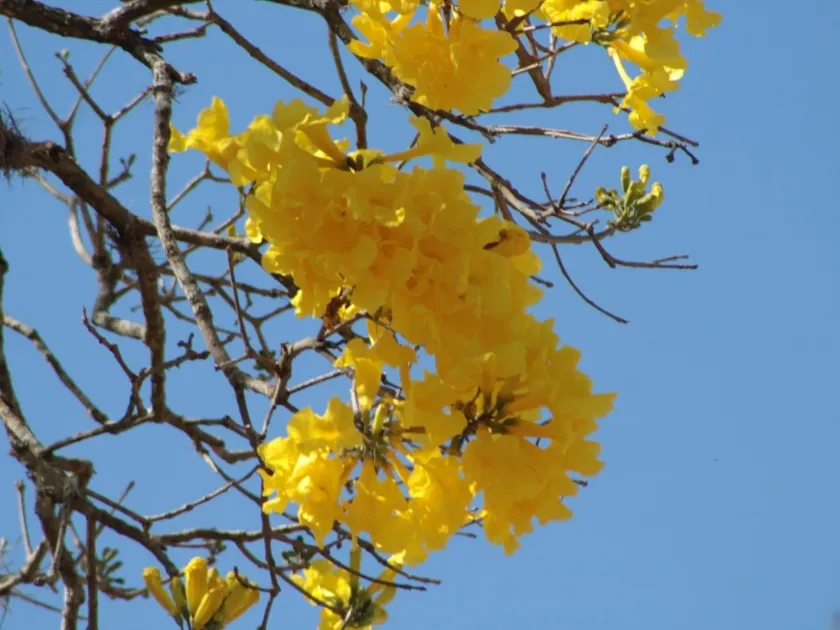
Description
Growing requirements
Handroanthus serratifolius is a magnificent tree belonging to the Bignoniaceae family, widely recognized for its vibrant yellow flowers and exceptional timber quality. It is a dominant species in the tropical rainforests of South America.
Native to countries like Brazil, Bolivia, and Paraguay, this species thrives in tropical climates characterized by warm temperatures and distinct seasonal rainfall patterns.
The tree requires well-drained, nutrient-rich soils to reach its full height and maintain its structural integrity. It is an intolerant species to cold, making it unsuitable for regions prone to freezing temperatures.
Cultivation practices involve selecting locations with full sun exposure to ensure proper crown development. Adequate spacing is crucial to prevent competition for light and water among mature specimens in plantations.
Economically, the tree is highly valued for producing 'Ipê' timber, which is among the densest and most durable woods in the world. Its resistance to decay and insects makes it a premium material for decking and outdoor construction.
Main diseases and pests
The primary threats to Handroanthus serratifolius plantations include fungal diseases that flourish in high-humidity environments, potentially causing leaf spot or branch dieback.
Insect pests, such as leaf-cutting ants and certain beetle larvae, can cause significant damage to the foliage and wood of the tree if left uncontrolled.
Root system issues are often a result of waterlogged soil conditions, which inhibit oxygen exchange and make the plant susceptible to opportunistic pathogens.
Management strategies involve rigorous pruning of infected branches and the application of fungicides during early growth stages to ensure the health of the young stand.
Integrated pest management, focusing on monitoring and biological control, is recommended to minimize environmental impact while maintaining the productivity of the wood production cycle.