
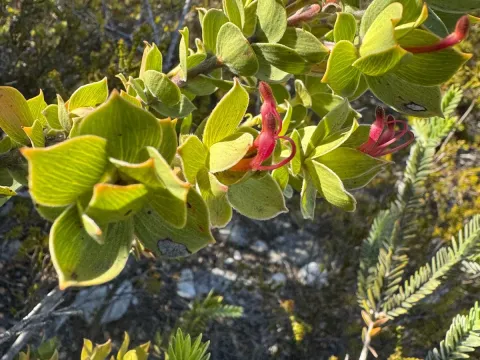
Adenanthos
Adenanthos
Adenanthos is a genus of evergreen shrubs and small trees belonging to the Proteaceae family. Native to Australia, these plants are highly valued in ornamental gardening for their fine, often woolly-textured, and deeply divided foliage.
What the section contains


Adenanthos
Botanically, Adenanthos species are adapted to sandy, well-draining soils that are typically low in phosphorus. Their root systems are specialized, often utilizing proteoid roots to maximize nutrient uptake in nutrient-poor environments.
Climate requirements for this plant are centered on bright, sunny conditions and excellent airflow. They are sensitive to high humidity and frost, making them suitable for Mediterranean-style climates or as conservatory specimens in cooler regions.
Soil management is the most critical aspect of Adenanthos cultivation. The substrate must be acidic to neutral, light, and highly porous to prevent waterlogging, which is detrimental to the plant's health.
Maintenance involves minimal irrigation, especially during dormant phases. Fertilizers should be used with extreme caution, avoiding standard phosphorus-rich blends to prevent toxicity to the specialized root structures.
The primary threats to Adenanthos are soil-borne pathogens, particularly Phytophthora species, which thrive in moist or poorly drained soils and lead to irreversible root rot.
Pests such as spider mites and mealybugs can infest the foliage, particularly when plants are grown in confined or poorly ventilated indoor environments.
Prevention relies on strict moisture control and ensuring the root collar remains dry. Over-watering is the most common cause of failure in cultivating this genus.
If an infestation is identified, the use of targeted systemic insecticides or horticultural oils is recommended, provided they are applied according to the specific sensitivity of the plant.
Cultural hygiene is vital: removing dead leaves and ensuring sufficient space between specimens helps reduce the spread of fungal and bacterial infections.