
Wallenia
Wallenia
Wallenia is a genus of evergreen shrubs and small trees belonging to the Primulaceae family. These plants are primarily native to the tropical regions of the Caribbean, as well as Central and South America, where they thrive in warm, humid forest environments.
What the section contains


Wallenia
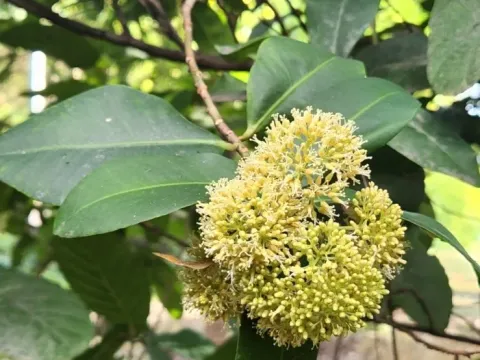
Botanically, Wallenia species are characterized by their leathery, alternate leaves that are often clustered at the ends of stems. The flowers are generally small and grouped into terminal or axillary inflorescences, providing a unique aesthetic appeal to the plant during its flowering phase.
Successful cultivation of Wallenia requires mimicking its native tropical habitat. The plant demands consistent moisture, high humidity, and protection from extreme temperature fluctuations. It performs best in partial shade, as direct, intense sunlight can lead to leaf scorch and dehydration.
The ideal soil for Wallenia is a loose, well-draining potting mix with an acidic to slightly acidic pH. Proper drainage is critical; the plant is sensitive to waterlogged conditions, which can lead to root suffocation and rapid decline of the specimen.
The agricultural and economic value of Wallenia is largely limited to ornamental horticulture and botanical research. It is a prized specimen for conservatories and specialized tropical collections, rather than being grown for food or industrial fiber production.
The most common health issues for Wallenia in indoor environments relate to fungal infections caused by overwatering. If the substrate remains too wet, the roots are highly susceptible to rot, requiring urgent intervention with fungicides and repotting.
Pest threats include common greenhouse insects such as spider mites and mealybugs. These pests thrive in dry air and can quickly weaken the plant by feeding on the sap, leading to yellowing or distortion of the foliage.
Effective management involves maintaining high air humidity and ensuring adequate air circulation around the canopy. Regular inspections of the undersides of leaves can help detect early signs of pest infestations before they become unmanageable.
In addition to pests, Wallenia can occasionally be affected by leaf spot pathogens, especially in environments with poor hygiene. Keeping the growing area clean and removing fallen debris are essential practices for disease prevention.
When applying pesticides or fungicides, one must be cautious of the plant's sensitivity. It is always recommended to perform a patch test on a small portion of the plant before applying treatments to the entire specimen to ensure no adverse reaction occurs.