
Yellow loosestrife
Lysimachia vulgaris
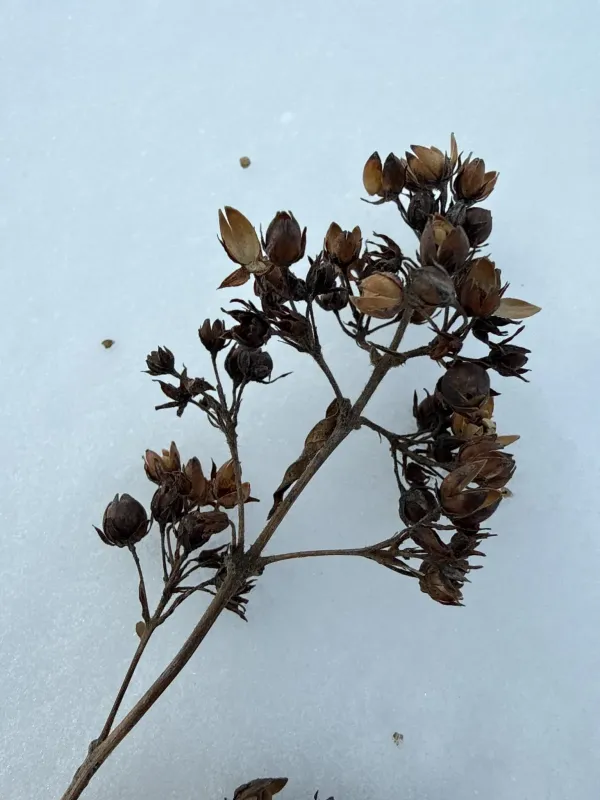
Description
Sowing dates
Yellow loosestrife (Lysimachia vulgaris) is primarily propagated through vegetative division of rhizomes, which ensures the genetic integrity and fast establishment of new plants.
The optimal time for planting divisions is early spring or late autumn, allowing the root system to settle into the soil before the peak vegetation period.
When propagating via seeds, sow them in late autumn for winter stratification, or in early spring indoors, ensuring the seeds are only lightly covered with soil.
Maintain a spacing of at least 40 centimeters between individual plants to prevent overcrowding and to allow the rhizomes sufficient room to expand naturally.
Initial irrigation is critical after planting; the soil must remain consistently moist to prevent transplant shock and ensure high survival rates in the new site.
Growing requirements
As a member of the Primulaceae family, this species thrives in wetland environments, typically found along riverbanks, ditches, and damp meadow areas.
The plant requires nutrient-rich, moisture-retentive loamy soils with a neutral to slightly acidic pH to achieve optimal vegetative growth and vibrant flowering.
Yellow loosestrife demonstrates high adaptability, growing effectively in both full sun and partial shade, making it a versatile choice for garden landscapes.
It is fully hardy in temperate climates, showing excellent resistance to winter frost and the ability to endure freezing temperatures without special protection.
Adequate water supply is the most important environmental factor; therefore, sites that do not dry out during summer months are ideal for large-scale cultivation.
Yield
This crop is highly valued as an excellent honey plant, producing significant amounts of nectar that support pollinator populations during the peak summer months.
In medicinal applications, the aerial parts of the plant are harvested during the peak blooming period, typically between June and August, for processing.
Due to its robust root structure, the plant is utilized for soil stabilization and erosion control, particularly in areas near artificial or natural water bodies.
Productivity is enhanced through irrigation and the maintenance of soil fertility, ensuring a consistent supply of biomass for ornamental and ecological purposes.
The plant is a persistent perennial, allowing for multiple years of harvest without the need for constant soil disturbance or replanting of the field.
Main diseases and pests
While generally hardy, yellow loosestrife can be susceptible to fungal diseases such as powdery mildew when grown in stagnant, poorly ventilated conditions.
Insect pests, including aphids, may occasionally attack the tender leaves during prolonged dry spells, leading to minor physiological stress for the plant.
Good agricultural practice, including adequate spacing and regular inspection, is usually sufficient to maintain healthy plant stands without heavy chemical intervention.
Integrated pest management strategies should be prioritized, focusing on cultural controls like weed removal to reduce the host range for potential plant pathogens.
Sanitary pruning of affected or dead stems at the end of the season helps prevent the overwintering of pests and fungi, promoting a healthier crop next year.