
Putty root
Aplectrum hyemale
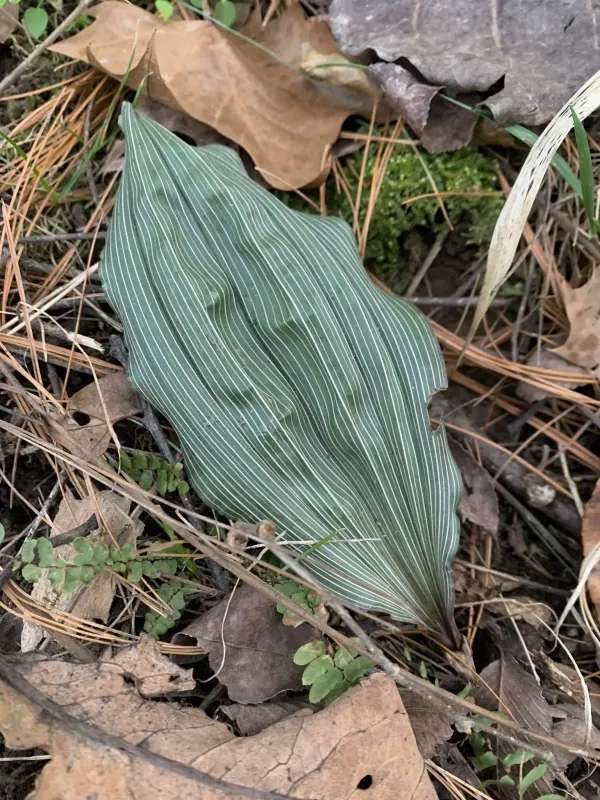
Description
Growing requirements
Putty root (Aplectrum hyemale) is a fascinating member of the Orchidaceae family, native to the deciduous woodlands of North America. It is a perennial plant known for its unique phenology where a single leaf emerges in autumn and persists through winter.
Botanically, the plant develops a subterranean corm that functions as a storage organ during the dormant season. The plant relies heavily on specific mycorrhizal fungi in the soil to absorb nutrients, making it highly dependent on the stability of its environment.
Optimal growing conditions require rich, well-drained loamy soil with high organic matter content, mimicking the forest floor. Shade or dappled light is essential, as direct intense sunlight can stress the plant and accelerate leaf senescence.
Climatic requirements include a cycle of distinct seasons, with a cool, moist period during the leaf growth phase. The plant is well-adapted to surviving under snow cover, which protects the photosynthetic leaf from desiccation and extreme thermal fluctuations.
In agricultural and horticultural contexts, Aplectrum hyemale is primarily used as a specimen plant for specialized native woodland gardens. Its cultivation is mostly for botanical interest rather than industrial production, given its slow growth rate and complex life cycle.
Main diseases and pests
The primary threat to the stability of a crop is root rot caused by stagnant water in the root zone. Poorly drained soil quickly leads to the decay of the corms, especially during the periods of reduced metabolic activity in early summer.
Common pests include gastropods such as slugs and snails, which can consume the evergreen leaf, depriving the plant of its winter photosynthetic capacity. Additionally, soil-dwelling larvae may damage the structural integrity of the root system.
Competition from invasive plant species can crowd out the putty root, depriving it of the necessary soil nutrients and access to sunlight. Disruption of the essential fungal network due to chemical fertilizers can also cause the plant to decline.
Disease prevention strategies prioritize the maintenance of an balanced soil microbiome. Avoiding harsh chemical fungicides is recommended, as the delicate mycorrhizal balance required for the plant's survival can be easily disrupted by synthetic agents.
Monitoring for pest activity is essential during the moist autumn and spring months when the plant's foliage is vulnerable. Maintaining appropriate environmental controls in greenhouse settings is critical to preventing the spread of mold and fungal pathogens.