
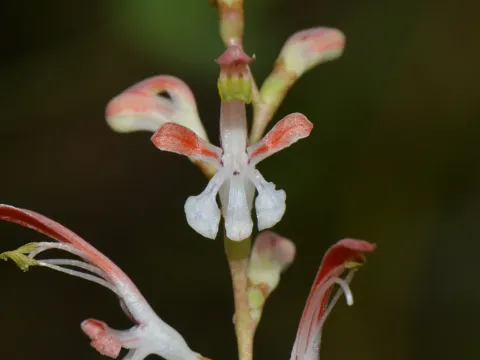
Zygotritonia
Zygotritonia
Planting of Zygotritonia corms is performed in the spring once the soil reaches a temperature of 12–15 degrees Celsius. Ensuring proper soil preparation with efficient drainage is essential for successful root development and preventing waterlogging issues during the early growth stages.
What the section contains

Zygotritonia
The optimal planting depth ranges from 5 to 8 centimeters, depending on soil structure and the size of the individual corm. Providing adequate space between plants is necessary to ensure proper air circulation, which reduces the risk of fungal infections later in the growing season.
Choosing a site with full sun exposure is critical for the healthy development of this species. In regions with unstable spring weather, protection from cold winds or using a greenhouse can significantly improve the initial growth rate and vigor of the plants.
Some growers practice pre-soaking the corms in rooting stimulants to ensure uniform germination. It is important, however, not to leave the material in water for too long, as excess moisture can trigger bacterial rot before the plant is established in the ground.
The vegetation process starts with the emergence of basal leaves, followed by the development of the main flower stem. Consistent soil moisture levels during this phase are key to supporting the production of robust daughter corms for the subsequent season.
Zygotritonia belongs to the Iridaceae family and requires specific environmental conditions to thrive. The plant prefers fertile, well-draining, sandy or loamy soils with a neutral or slightly acidic pH level, rich in organic matter to support continuous growth.
As a heliophilous species, it requires maximum sunlight throughout the day to produce quality flowers. Shade or insufficient light levels often lead to leggy stems and a reduction in the overall ornamental value and health of the plant.
Water requirements are moderate; the soil should be kept consistently moist but never waterlogged. Since these plants are sensitive to moisture excess, a robust drainage system is a fundamental requirement for any cultivation site to protect the corm from rotting.
Due to its African origin, the plant is sensitive to frost and cold climates. In regions with winter temperatures below freezing, corms must be lifted and stored in a cool, dry place at 10–15 degrees Celsius to maintain dormancy until the following spring.
Fertilization with a balanced NPK ratio (specifically higher in potassium and phosphorus) during the active growth period supports floral development and corm health. Nitrogen should be applied sparingly to avoid excessive leafy growth at the expense of floral quality.
Fungal diseases, particularly various types of rot, pose the greatest threat to Zygotritonia, especially in conditions of high soil moisture and poor ventilation. Proper drainage and aeration are the primary preventive measures against these pathogens.
Pests such as thrips and spider mites are common in hot, dry conditions. They damage leaves and stems, which weakens the plant and makes it more susceptible to viral infections, ultimately impacting the overall vitality of the crop.
Integrated pest management is recommended, starting with careful inspection of the corms before planting. Using biological control agents or targeted systemic insecticides at the first signs of infestation can effectively control these pests without harming the plant.
Powdery mildew can occur in stagnant air conditions or high-humidity environments. Maintaining proper spacing and ensuring regular ventilation in greenhouses or sheltered areas is essential to curb the spread of this disease among healthy plants.
Sanitation practices, such as removing and destroying infected plant tissue, are crucial for long-term health. Regularly monitoring the plants allows for early detection, which is key to preventing widespread loss and ensuring a successful harvest of corms.
The harvesting of corms is performed in late autumn after the plant has finished flowering and the foliage has naturally yellowed and begun to dry. This timing ensures that the corm has stored maximum nutrients for the dormant period.
Corms should be lifted carefully on a dry day to minimize soil adhesion and prevent accidental injury to the protective outer layers. Once lifted, they should be cleaned and inspected for any signs of decay or mechanical damage.
Drying is a critical step; the corms should be laid out in a shaded, well-ventilated area for several days. This process helps to harden the protective tissues and significantly reduces the risk of mold growth during storage.
Storage should be conducted in wooden crates or mesh bags to allow for optimal airflow. Maintaining a consistent, cool temperature and low humidity level is necessary to keep the corms in a healthy, dormant state until the next planting season.
Sorting the harvested material by size and quality before storage allows for better organization in the following season. Proper post-harvest handling directly influences the overall health and productivity of the Zygotritonia crop in the future.