
Xiphion iris
Xiphion
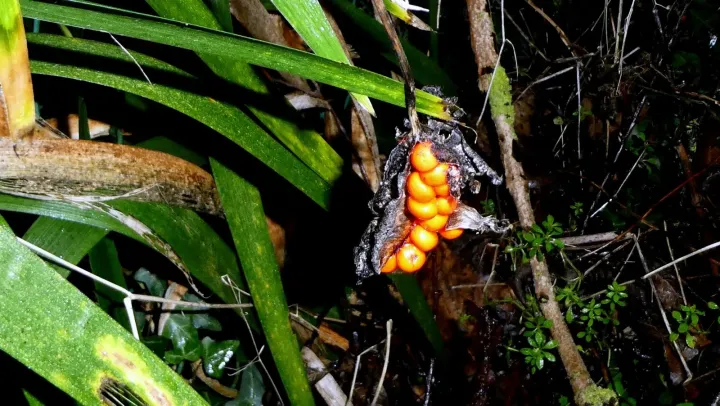
Description
Sowing dates
Planting Xiphion iris bulbs in open fields is traditionally done in the autumn, between late September and October, ensuring the bulbs establish roots before winter.
In regions with harsh climates, it is recommended to plant in the spring once the soil temperature reaches 10-12 degrees Celsius to prevent frost damage to the bulbs.
The planting depth typically ranges from 8 to 12 centimeters, depending on the bulb size and soil texture, with shallower planting preferred in heavy clay soils.
Spacing between plants should be approximately 10–15 centimeters to ensure adequate air circulation and reduce the incidence of fungal pathogens in dense plantings.
To promote healthy growth and prevent decay, treating bulbs with fungicides or a mild potassium permanganate solution before planting is highly recommended.
Growing requirements
Xiphion belongs to the Iridaceae family and thrives in well-lit areas protected from strong winds, as the crop is highly sensitive to light levels.
The plant requires excellent soil drainage; waterlogging in the root zone is fatal to the bulbs and quickly leads to rot and plant failure.
Ideal soils for cultivation are light, fertile, loamy, or sandy-loam types with a neutral to slightly alkaline pH level for optimal nutrient availability.
While categorized as a mesophyte, the plant needs consistent irrigation during its active growth period, particularly during dry spells in the spring and summer.
Organic soil preparation should utilize well-rotted compost, avoiding fresh manure, which can cause excessive nitrogen uptake and increase susceptibility to diseases.
Main diseases and pests
Fusarium wilt is one of the most critical threats to Xiphion, attacking the bulb base and often resulting in the rapid death of the entire plant.
In humid conditions with poor ventilation, the crops are frequently attacked by grey mold, which manifests as a dusty fungal layer on the foliage and flower stalks.
Pests such as the iris fly and cutworms cause significant damage by feeding on the aerial parts of the plant and boring into the tender bulb tissue.
Thrips can also infest the plants, sucking sap from the leaves and causing yellowing, distortion, and a marked decline in the overall floral display.
Disease control strategies include strict crop rotation and the thorough removal and destruction of any infected plant material after the harvest season.
Harvesting
Harvesting should occur once the foliage has completely yellowed and withered, which usually takes place in the latter half of July or early August.
Once lifted from the soil, bulbs must be cleaned of debris and dried in a shaded, well-ventilated area at 20–25 degrees Celsius for approximately two weeks.
Cleaned bulbs should be sorted by size, removing any old scales and discarding those showing physical damage or signs of fungal decay or rot.
Storage should take place in a dry, cool, and dark environment with temperatures maintained between 15–18 degrees Celsius until the next planting window.
Maintaining a stable temperature during storage is essential to ensure proper flower bud initiation and high-quality blooming in the following cycle.