
Yellow flag
Iris pseudacorus
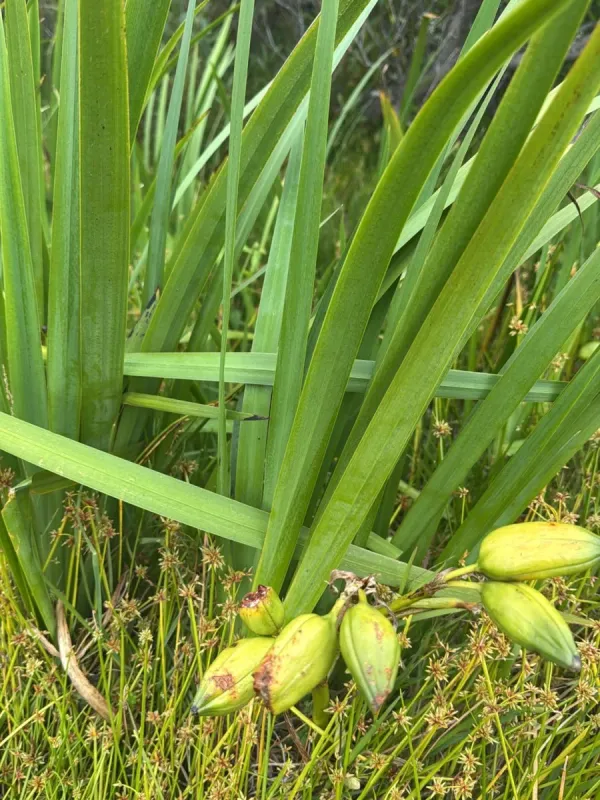
Description
Sowing dates
The propagation of yellow flag is most effectively achieved through division of the rhizomes, which is a standard horticultural practice for this species.
The ideal time for dividing the plants is in late summer or early autumn, allowing the plants to establish before the onset of the dormant winter season.
Seed propagation is also an option, particularly for large-scale naturalization projects or restoration of wetland areas where genetic diversity is desired.
Seeds should be sown in a moist substrate immediately after collection or in early spring, ensuring they receive a period of cold stratification for optimal germination.
When planting, ensure the rhizomes are positioned at the appropriate depth in the soil or submerged in shallow water to facilitate rapid root development.
Growing requirements
Yellow flag is a robust perennial belonging to the Iridaceae family, naturally found in marshlands, riverbanks, and areas with high water tables.
This species thrives in wet, heavy soils and can easily adapt to both shallow standing water and consistently damp garden soil conditions throughout the year.
Full sun exposure is highly recommended to encourage vigorous foliage growth and a prolific blooming season during the late spring and summer months.
The plant is highly tolerant of varying soil pH levels, although it performs best in nutrient-rich, slightly acidic to neutral organic substrates.
Due to its high adaptability, the plant is widely recognized for its ability to withstand flooding and occasional variations in nutrient availability.
Main diseases and pests
Yellow flag is a remarkably hardy plant that generally suffers from few significant pest or disease issues when planted in its preferred environment.
Bacterial soft rot can occasionally occur in rhizomes that are wounded during division or when grown in stagnant, poorly aerated water conditions.
Fungal leaf spot diseases may appear during humid weather, manifesting as small necrotic lesions on the leaves, which rarely compromise plant survival.
The iris fly is a common pest that may damage developing flower buds, and infestations can be managed by removing affected parts or applying targeted treatments.
Maintaining proper hygiene by removing dead plant debris in late autumn helps in preventing the overwintering of potential pathogens and insect pests.
Harvesting
The primary utility of the yellow flag lies in its exceptional capability for phytoremediation, helping to remove nitrates and phosphates from contaminated waters.
In landscaping, the harvest involves pruning the foliage after it has turned brown in autumn, which helps clear the pond or wetland area of organic waste.
Historically, the rhizomes have been utilized for their tannin content in leather tanning processes and for the production of traditional vegetable-based inks.
For medicinal or industrial purposes, rhizomes are harvested after the plant has reached maturity, typically ensuring sustainable yields from cultivated stands.
Post-harvest processing involves thorough cleaning of the rhizomes, followed by careful drying in well-ventilated conditions to preserve active ingredients.