
Winter iris
Iris unguicularis
Description
Growing requirements
The winter iris (Iris unguicularis) is a perennial herbaceous plant belonging to the Iridaceae family. Native to the Mediterranean region, including Algeria, Greece, and Turkey, this plant is highly valued for its exceptional ability to bloom during the winter months. It provides color in the garden when most other perennials are dormant.
This crop requires well-drained, nutrient-poor, and stony or sandy soil to thrive. One of the most critical aspects of its cultivation is moisture management; the plant is highly susceptible to root rot if the soil remains waterlogged, especially in winter. It prefers warm, sunny spots, often placed against south-facing walls to benefit from radiated heat and protection from harsh winds.
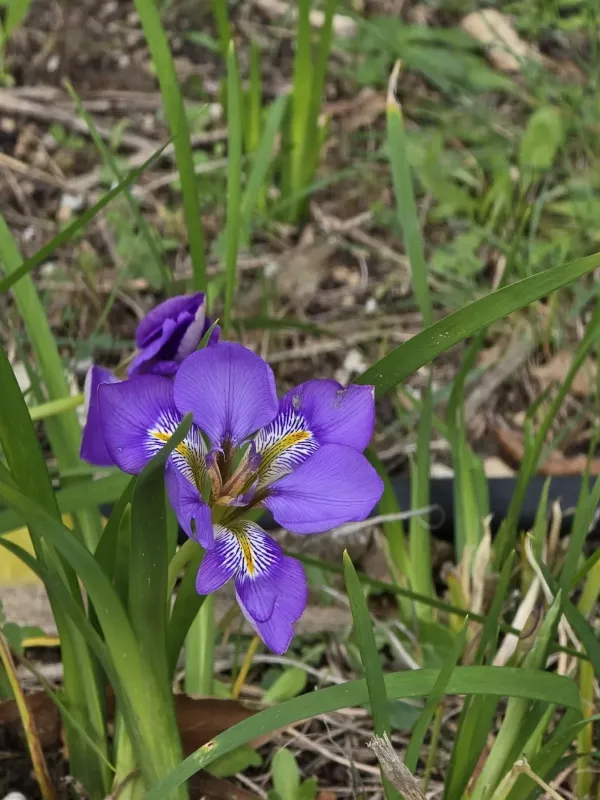
Botanically, the plant forms dense clumps of narrow, evergreen foliage that remains attractive throughout the year. The flowers, which emerge on very short stems, appear at ground level and are known for their sweet, delicate scent and shades of lavender, violet, or white. The petals possess a certain level of frost resistance, allowing them to remain intact during mild winter temperatures.
Agrotechnical practices focus on providing a dry summer dormancy period, which is essential for triggering the next flowering cycle. Minimal fertilization is required, as overly rich soil often leads to excessive leaf growth at the expense of floral production. Propagation is best achieved by carefully dividing established clumps in late spring, ensuring that the root system remains as undisturbed as possible during the process.
In landscaping, the winter iris is an excellent choice for rock gardens and borders in regions with mild winters. Its unique phenology makes it a staple for those seeking winter-long color. In colder climates, it is often kept as a container plant in greenhouses or sunrooms, where it can be protected from deep freezes while still providing its characteristic beauty during the coldest months of the year.
Main diseases and pests
The primary threats to the winter iris are fungal diseases, particularly crown and root rot, caused by inadequate soil drainage. Regular inspection of the base of the plant and removal of dead leaves help maintain good airflow and prevent moisture retention.
Common pests include slugs and snails, which can cause significant damage to the flowers and young shoots. Control methods include installing physical barriers, using organic bait, or manual collection during damp evenings. Occasional aphid infestations can also occur, which are generally manageable with insecticidal soap if caught early enough.