
Zygotritonia bongensis
Zygotritonia bongensis
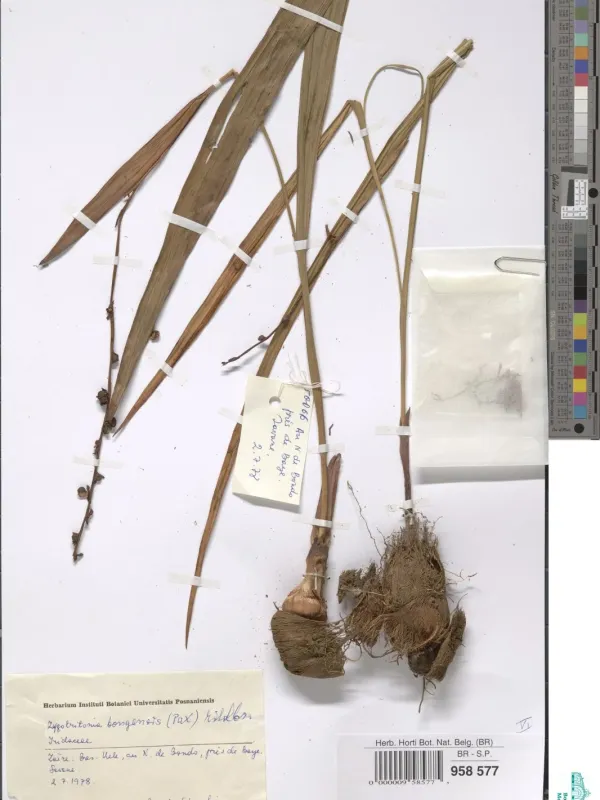
Description
Sowing dates
Zygotritonia bongensis belongs to the Iridaceae family. In its native tropical African habitat, the plant's life cycle is intrinsically linked to the onset of the rainy season.
For cultivation purposes, planting should occur when the soil has sufficiently warmed, typically when temperatures at a 10 cm depth exceed 15 degrees Celsius. Early planting in cold, wet soil significantly increases the risk of fungal decay.
The planting depth for the corms should range between 5 and 8 centimeters. In lighter, sandy soils, slightly deeper planting is recommended to ensure thermal stability and prevent the corm from drying out during initial stages.
Proper spacing between rows is essential to facilitate mechanical weeding and ensure optimal air circulation. This spatial management helps prevent the rapid spread of airborne pathogens throughout the crop.
Implementing a strict crop rotation schedule is vital to maintaining soil health and preventing the buildup of host-specific diseases. It is advisable to avoid planting Zygotritonia in areas previously occupied by other Iridaceae species.
Growing requirements
The plant thrives in areas with bright, indirect sunlight. While it requires light for photosynthesis, direct midday sun exposure can cause leaf scorch and dehydration during the peak of the growing season.
Well-drained, porous soils with high organic matter content are preferred. Any tendency towards waterlogging or heavy compaction will inevitably lead to root rot and poor development of the corms.
Temperatures should remain consistently between 20 and 28 degrees Celsius for optimal growth. Exposure to temperatures below 10 degrees Celsius can cause dormancy or permanent tissue damage in active plants.
Humidity management is crucial, as the plant prefers conditions mimicking a tropical savanna. Regular moisture through drip irrigation is preferred over overhead watering, which can encourage fungal growth on foliage.
Nutrient requirements are centered on potassium, which is critical for corm maturation. A balanced NPK fertilizer should be applied, with nitrogen levels reduced once the flowering stage has passed to discourage excessive vegetative growth.
Yield
The yield of Zygotritonia bongensis is primarily measured by the mass and count of viable replacement corms produced per plant. High-quality corms are the foundation for the following year's success.
Productivity is directly influenced by the quality of sunlight and consistent hydration during the primary growth phase. Plants that receive adequate care typically show a higher multiplication rate of secondary corms.
Weed control is a non-negotiable aspect of yield optimization. Invasive weeds compete for nutrients and water, often resulting in stunted growth and significantly smaller bulb sizes during the harvest period.
In addition to corm multiplication, the visual quality of the crop is highly valued if intended for ornamental or botanical markets. Uniformity in size and health of the harvested bulbs is the key indicator of agricultural success.
Modern intensification techniques, including the use of growth-promoting bio-stimulants, have shown promise in improving the harvest efficiency without compromising the structural integrity of the corms.
Main diseases and pests
Fungal pathogens represent the most significant threat to the crop, particularly under conditions of poor soil aeration or excessive irrigation. Decay of the corms is the most common cause of failure in agricultural settings.
Pests such as thrips and mites can cause considerable damage by piercing the leaves, leading to chlorosis and stunted development. If left uncontrolled, these pests can drastically lower the energy reserves of the plant.
Soil-borne nematodes are also a persistent threat, as they compromise the root system, making the plant more susceptible to secondary infections from bacteria and fungi present in the environment.
- Grey mold (Botrytis): thrives in humid, stagnant conditions.
- Fusarium wilt: attacks the base and leads to systemic decline.
- Root rot: occurs predominantly in waterlogged, heavy soils.
Integrated Pest Management (IPM) is essential. This includes regular scouting, the use of disease-free planting material, and the timely application of fungicides only when threshold levels of infestation are met.
Harvesting
Harvesting is initiated once the foliage has naturally turned yellow and begun to wither, signaling that the plant has retreated into dormancy and nutrients are successfully stored in the corms.
Corms should be lifted carefully from the soil using specialized tools to prevent bruising or mechanical damage. Even minor cuts can provide an entry point for post-harvest pathogens during storage.
After lifting, the corms require a curing process. This involves keeping them in a cool, well-ventilated area for several days to ensure that the outer layers are dry and the base is properly sealed.
Grading is the final step, where damaged or diseased corms are discarded to prevent the contamination of the healthy stock. Only high-quality bulbs should be selected for long-term storage or future planting.
Optimal storage occurs in cool, dry conditions with adequate air circulation. Utilizing mesh bags or trays prevents the buildup of moisture, which is the leading cause of spoilage in dormant bulbous crops.