
Yellow-eyed grass
Sisyrinchium californicum
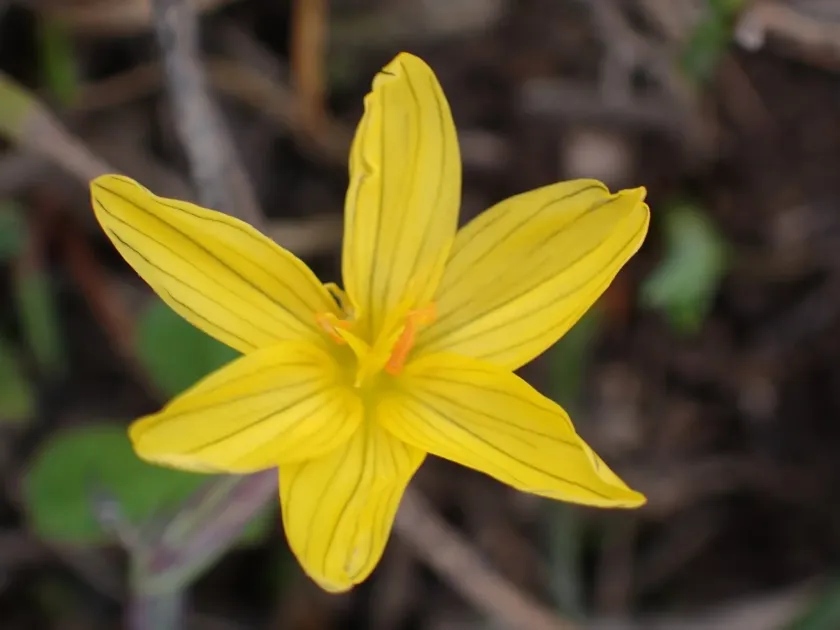
Description
Sowing dates
Sisyrinchium californicum is typically propagated through seeds or by dividing mature clumps. Seeds should be sown in the autumn or early spring, ensuring the soil is prepared with a fine, loose texture to allow for easy germination.
When starting from seeds, cold stratification for several weeks is highly recommended to break dormancy. Sowing in seed trays filled with a light, well-draining substrate provides the best results for seedling survival.
Transplanting seedlings into the garden should occur once the danger of hard frost has passed. Gentle handling of the root system is essential, as the young plants are sensitive to root disturbance during the early stages.
For established gardens, dividing the clumps every 3 to 4 years is the most efficient propagation method. This process rejuvenates the plant and helps maintain the desired vigor and flowering capacity of the stand.
Spacing between plants should be approximately 20 centimeters. This density ensures that each plant has enough nutrients and airflow, reducing the competition for resources while creating a lush appearance.
Growing requirements
Belonging to the Iridaceae family, this plant is native to moist, grassy areas of Western North America. It thrives in full sun but adapts well to partially shaded conditions in warmer climates.
The ideal soil for this species is moist but well-draining, rich in organic matter. While it tolerates a variety of soil types, it performs best in sandy or loamy soils with a near-neutral pH balance.
Consistent moisture is key to the health of the plant. During dry spells, regular irrigation is required to keep the foliage vibrant, though waterlogging must be avoided to prevent root rot issues.
Maintenance tasks include regular weeding to prevent competition from invasive species. A layer of mulch can help retain soil moisture and suppress weed growth around the base of the plant.
Fertilizing with a balanced liquid fertilizer during the spring growth phase encourages dense foliage and prolific blooming. Removing spent flower stems can promote a second wave of blooms and maintain tidiness.
Main diseases and pests
The primary concern for this crop is root rot, which typically develops in poorly drained, heavy clay soils. Ensuring proper soil structure and drainage is the most effective preventative measure against this decay.
Fungal infections such as powdery mildew can affect the foliage during periods of high humidity and poor ventilation. Keeping the plants spaced appropriately helps mitigate the spread of such fungal spores.
Slugs and snails are the most common pests, as they feed on the tender leaves of the plants. Using physical barriers like crushed eggshells or copper tape can help protect young sprouts from these common garden pests.
Aphids can occasionally colonize the flower buds, causing them to distort or fail to open. Periodic inspections and localized treatment with insecticidal soaps usually keep these populations under control.
Maintaining a clean garden environment by removing dead plant debris reduces the overwintering sites for both pests and disease-causing pathogens, ensuring a healthier growing season for the entire crop.