
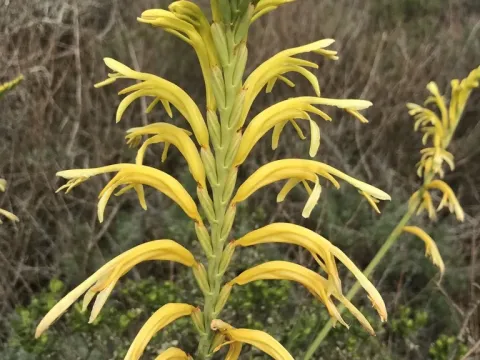
Chasmanthe
Chasmanthe
Planting Chasmanthe corms is typically performed in early spring, once the soil has warmed up and the risk of frost has passed. Selecting the right timing is crucial to ensure that the corms initiate root growth without the danger of rotting in cold, wet soil.
What the section contains


Chasmanthe
For regions with colder climates, starting the corms in pots indoors during late winter is recommended. This controlled environment allows for a stronger establishment of the root system before the plants are moved to their permanent outdoor location.
Corms should be planted at a depth of 5 to 10 centimeters, depending on their size and the soil texture. Proper spacing of approximately 15 to 20 centimeters is essential to ensure adequate air circulation and to minimize the spread of fungal diseases.
Propagation is most commonly achieved by separating offsets from the mother corm during the dormancy period. This vegetative method preserves the characteristics of the cultivar and is the most reliable way to increase the population in a garden.
Seed propagation is possible but requires a longer time to reach maturity. Seeds should be sown in a sterile, well-draining potting mix in a warm environment, maintaining consistent moisture until germination occurs.
Chasmanthe belongs to the Iridaceae family and thrives in well-draining, fertile soils with a slightly acidic to neutral pH. Providing a high-quality growing medium is vital, as the plant cannot tolerate waterlogged conditions which lead to root rot.
The plant requires full sun to partial shade for optimal growth and flowering. In shaded areas, the stems may become weak and prone to lodging, which reduces the ornamental value of the plant significantly.
Regular, moderate watering is required during the active growth phase. However, as the foliage begins to yellow after flowering, the water supply must be gradually reduced to initiate the necessary dormancy period for the plant.
Chasmanthe is adapted to warm growing seasons and performs best when temperatures are consistently between 18 and 25 degrees Celsius. It should be protected from harsh, drying winds that can cause leaf tip browning and physical damage to the floral spikes.
During the dormant phase, the corms should remain relatively dry. In areas with cold winters, lifting the corms for winter storage in a cool, dry location is necessary to prevent freeze damage to the plant tissue.
Fungal pathogens, particularly those causing bulb rots, are the most significant threats to Chasmanthe. These diseases are often linked to poor drainage or overly humid conditions during the initial stages of planting.
Viral infections may occur, manifesting as mosaic patterns or streaks on the leaves. Once infected, these plants cannot be cured and must be destroyed immediately to protect the remaining healthy specimens in the cultivation area.
Common pests such as spider mites and thrips pose a risk, especially during periods of hot, dry weather. These insects feed on the plant sap, leading to weakened foliage and the potential transmission of secondary infections.
Root-knot nematodes can cause significant damage to the underground parts of the plant. Using certified healthy corms and practicing sound soil management are the most effective ways to mitigate this threat.
Slugs and snails may attack the succulent growth of the plants in damp conditions. Implementing physical barriers or using appropriate molluscicides is recommended to prevent significant aesthetic damage to the leaves and developing spikes.