
Chasmanthe aethiopica
Chasmanthe aethiopica
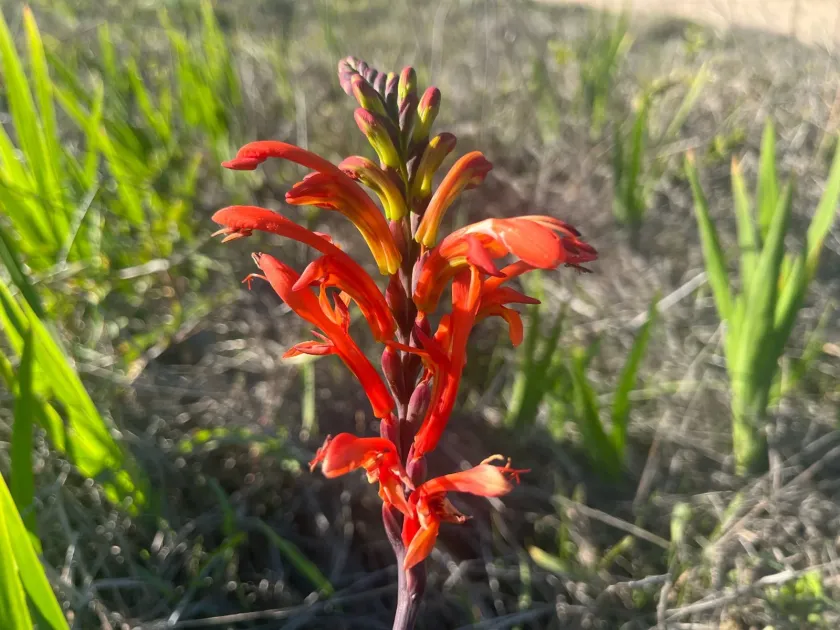
Description
Sowing dates
Planting Chasmanthe aethiopica corms is best performed in early spring once the risk of frost has passed. The soil temperature should be consistently above 12 degrees Celsius to ensure quick rooting and healthy development of the primary vegetative shoots.
Choose a site with well-draining soil and amend it with compost or grit if necessary to improve drainage. Corms should be planted at a depth of 8 to 12 centimeters, providing enough space for the developing root system to spread comfortably.
For container gardening, start the corms indoors in late winter to extend the growing season. Use a porous potting mix and ensure pots have adequate drainage holes to prevent the accumulation of moisture, which is vital for long-term health.
Vegetative propagation is the most effective method, achieved by dividing mature corm clusters during the dormant season. This technique ensures that the resulting plants maintain the desired characteristics of the parent stock while expanding your collection.
Spacing is essential for airflow, with 20 centimeters between plants being the standard recommendation. This distance reduces the micro-humidity levels around the foliage, which is a key factor in preventing fungal outbreaks in dense plantings.
Growing requirements
As a member of the Iridaceae family, Chasmanthe aethiopica thrives in temperate conditions with bright, indirect to direct sunlight. While it appreciates full sun, protection from the most intense mid-afternoon heat is beneficial in hotter climates.
Soil requirements focus on fertility and drainage; a slightly acidic to neutral pH is optimal. The substrate should be rich in organic matter to support the rapid growth of long, sword-shaped leaves and the subsequent production of spike-like inflorescences.
Watering should be consistent throughout the active growth period, ensuring the soil remains moist but not saturated. Drought tolerance increases once the plant is established, but it should never be left to dry out completely during the flowering stage.
Fertilization with a balanced, slow-release fertilizer at the start of the growing season provides the necessary nutrients for sustained development. High-potassium supplements are recommended just before the blooming period to enhance flower color and spike strength.
Winter maintenance requires lifting the corms in colder regions where temperatures fall below freezing. Store them in a cool, dark, and dry environment, keeping them in peat moss or wood shavings to prevent excessive shriveling until the next planting season.
Main diseases and pests
Common pests include spider mites and thrips, which thrive in low-humidity environments. Regular inspection of the undersides of the leaves and the use of insecticidal soaps or horticultural oils can help manage populations before they cause significant damage.
Fungal issues, specifically gray mold (Botrytis), can occur if stagnant air or excessive moisture is present. Improving ventilation and practicing precise irrigation techniques are the primary methods for preventing these opportunistic infections in garden settings.
Bacterial rot of the corms is a severe threat usually caused by poor drainage or contaminated tools. It is crucial to sterilize cutting tools between divisions and ensure that all stored corms are free from signs of rot before being packed for winter.
Snails and slugs are particularly problematic for young, emerging shoots in the spring. Barrier methods such as crushed eggshells or physical barriers can provide effective protection for young specimens during their most vulnerable stage of growth.
Nutritional deficiencies, often manifested as yellowing or chlorosis, should be addressed with micronutrient applications rather than heavy nitrogen doses. Maintaining a balanced nutrient profile is essential for the overall vitality and disease resistance of the plant.