
Chasmanthe bicolor
Chasmanthe bicolor
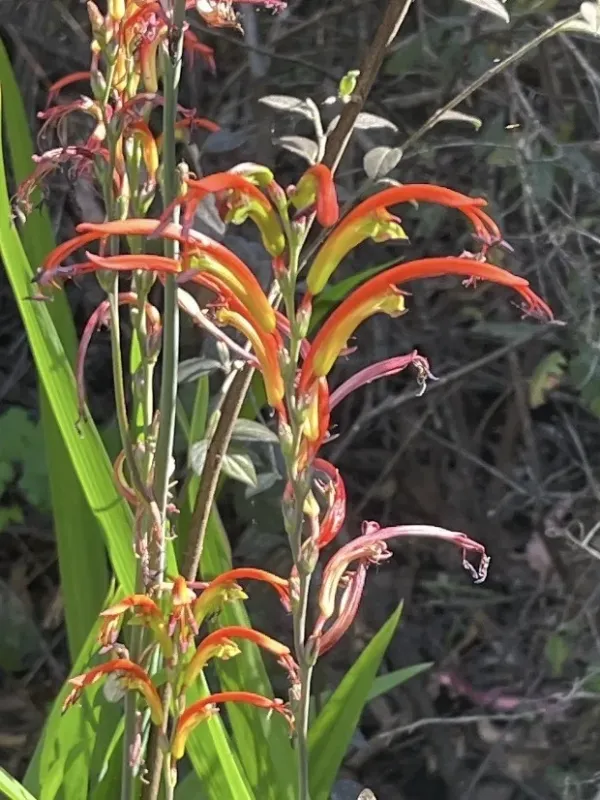
Description
Growing requirements
Chasmanthe bicolor belongs to the Iridaceae family and is a perennial cormous plant native to South Africa. It is highly valued for its striking bi-colored flowers and structural foliage, making it a popular subject in botanical and ornamental horticulture.
The plant thrives in well-draining, fertile soils with a neutral pH. Due to its Mediterranean-like origin, providing excellent drainage is non-negotiable, as stagnant water is the primary cause of corm rot during the plant's dormant or wet seasons.
It requires full sun to partial shade for optimal growth and flowering. The climate must be relatively mild, as the species is susceptible to frost and does not tolerate freezing temperatures, typically requiring protection or container cultivation in cooler regions.
Agronomic management includes regular irrigation during the active growth cycle, followed by a dry period to induce dormancy. Balanced NPK fertilizers applied during the early vegetative stage encourage robust growth and increase the potential for vibrant floral displays.
Mulching is recommended to maintain soil moisture consistency and suppress weed competition. Proper spacing between corms is essential to ensure adequate air circulation and prevent the development of physiological stress due to overcrowding.
Main diseases and pests
Fungal pathogens such as Fusarium and various types of root rot pose the most significant threat to Chasmanthe bicolor. These issues are almost exclusively related to poor soil drainage and incorrect irrigation practices in the nursery or field.
Thrips are common pests that feed on the epidermis of leaves and flowers, leading to unsightly scarring and distorted growth. Integrating systemic insecticides into the management plan is effective for preventing large-scale infestations.
Spider mites can become a nuisance during hot, dry weather conditions. Increasing localized humidity and applying targeted miticides when necessary will help protect the foliage from damage and prevent premature senescence.
Aphids tend to colonize developing buds, draining plant sap and potentially transmitting viral infections. Early detection and treatment are crucial to maintaining the aesthetic and physiological health of the crop.
Slugs and snails may consume tender young shoots and leaves. Implementing physical barriers, such as copper tape or crushed grit around the base of the plants, provides a non-chemical approach to mitigating this specific type of herbivory.