
Chamaeiris
Chamaeiris
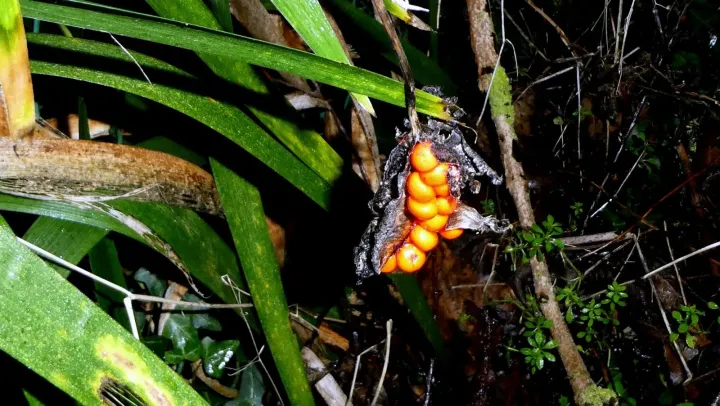
Description
Sowing dates
Sowing Chamaeiris seeds is best performed during the late autumn for wintering or in early spring, following a necessary cold stratification period. The seeds require temperatures between 0 and 5 degrees Celsius for about two to three months to break dormancy.
When sowing in the spring, ensure the substrate is loose and provides excellent drainage. Seeds should be planted at a shallow depth of approximately 2 centimeters to ensure successful germination and emergence of young shoots.
Vegetative propagation is achieved by dividing the rhizomes at the end of the summer season, immediately after the blooming cycle concludes. This method is preferred for maintaining the specific characteristics of selected cultivars.
Choose a location that receives ample sunlight, although the plants can tolerate light shade during the hottest parts of the day. Proper spacing is essential to encourage air circulation and reduce the risk of dense plantings.
After planting, young specimens require consistent watering until they become well-established. Mulching the area helps to maintain soil moisture and protects the root system from extreme temperature fluctuations.
Growing requirements
Chamaeiris is a perennial herbaceous plant belonging to the Iridaceae family, known for its elegant foliage and distinct floral structure. It is native to various regions across Eurasia, favoring mountainous and open meadow habitats.
The plant thrives in fertile, well-drained soils with a pH ranging from neutral to slightly acidic. Providing a soil mix that prevents water stagnation is vital for the health of the rhizomes, as they are susceptible to rot.
Chamaeiris requires significant light to bloom successfully and maintain its structural integrity. While it is adaptable to moderate temperature changes, it benefits from winter protection in harsher climates to prevent frost damage to the dormant roots.
Maintenance involves routine watering during the growing season, though the plant is relatively resilient once fully established. Avoid excessive nitrogen fertilizers, which can lead to rapid but structurally weak growth.
In landscaping, Chamaeiris is highly valued as a decorative accent in perennial borders and rock gardens. Its botanical features, particularly the unique seed morphology, set it apart from typical garden iris varieties.
Main diseases and pests
Fungal diseases like heterosporiosis often present as brown spots on leaves, especially during periods of high humidity. Early intervention with suitable fungicides is recommended to maintain the aesthetic and health of the plant.
Root rot is the most serious threat to Chamaeiris, usually triggered by poor drainage or overly heavy soil. Promptly removing affected parts and improving the planting site's drainage can prevent further spread of the pathogen.
Common pests include iris thrips and iris flies, which target the buds and can significantly reduce the quality of the flowers. Regular monitoring throughout the spring is necessary to identify and treat infestations promptly.
Soil-dwelling larvae can cause significant damage to the root system, leading to stunted plant growth or death. Cultivation and soil management practices help to reduce the population of these underground pests.
To promote long-term plant health, avoid reusing the same planting area for iris-related species for several years. This rotation strategy helps to mitigate the buildup of soil-borne diseases and pests in the garden.