
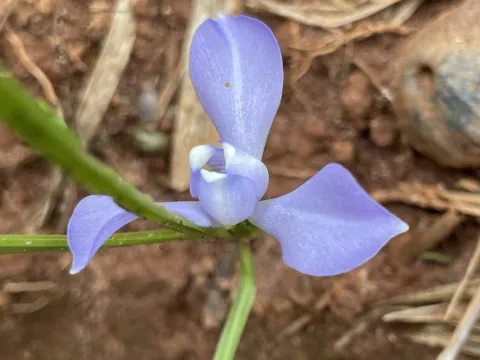
Cipura
Cipura
Propagation of Cipura is most commonly achieved through the division of rhizomes or bulb clusters during the dormant phase. This method ensures that the offspring retain the parent plant's characteristics and promotes a quicker transition to the flowering stage.
What the section contains

Cipura
Seed sowing requires specific environmental controls, primarily maintaining high soil temperatures and consistent humidity. Seeds should be placed in a light, organic-rich medium and covered lightly, keeping the environment humid until germination occurs.
The optimal time to initiate the growth cycle is during spring, coinciding with increasing day length. Properly stored bulbs should be planted in well-draining soil at a depth proportional to the size of the bulb to ensure stability.
Post-planting care emphasizes moderate irrigation. Over-saturation must be avoided to prevent bulb decay, yet the substrate should never dry out completely, as this can stunt the initial development of the root system.
Plants require a gradual acclimatization to light after transplanting. Placing them in a shaded area initially and slowly moving them to brighter locations prevents leaf scorch and promotes healthy physiological adjustment.
Cipura is a member of the Iridaceae family and is native to the tropical regions of Central and South America. These perennial herbaceous plants are characterized by their striking, often ephemeral flowers and slender foliage typical of the family.
The culture thrives in fertile, well-draining soil with a neutral to slightly acidic pH level. Incorporating perlite or coarse sand into the potting mix is highly recommended to prevent compaction and ensure adequate oxygen availability to the roots.
Tropical climate conditions are essential for Cipura. Stable temperatures ranging from 22 to 26 degrees Celsius are ideal for active growth. The plant is highly sensitive to cold drafts and sudden drops in ambient temperature.
Light requirements are best met with bright, indirect sunlight. While these plants can tolerate some morning sun, intense afternoon radiation may cause damage, necessitating the use of light curtains or shading in greenhouse environments.
Water management is critical: the plant requires consistent moisture during the vegetative stage but enters a natural period of dormancy where water should be significantly reduced to mimic its native seasonal cycles.
Fungal pathogens are the most significant threat to the health of Cipura, particularly root and bulb rot caused by excessive moisture. Proper soil drainage and avoiding water-logged conditions are the primary preventative measures.
Spider mites represent the most common pest issue, especially in environments where humidity levels are inadequately maintained. These pests inhabit the undersides of leaves, feeding on cell sap and causing characteristic stippling.
Aphid infestations can occur on tender new growth, leading to deformation and potential transmission of viral diseases. Regular monitoring and physical removal or the use of mild horticultural soaps are recommended for control.
Powdery mildew may affect the foliage if air circulation is poor. Enhancing ventilation around the plants and avoiding overhead irrigation can effectively minimize the risk of this fungal growth.
- Ensure proper spacing to facilitate airflow.
- Sterilize all tools before division or pruning.
- Maintain humidity levels between 50-60 percent.
- Monitor for discoloration of leaves as an early warning sign.