
Bobartia indica
Bobartia indica
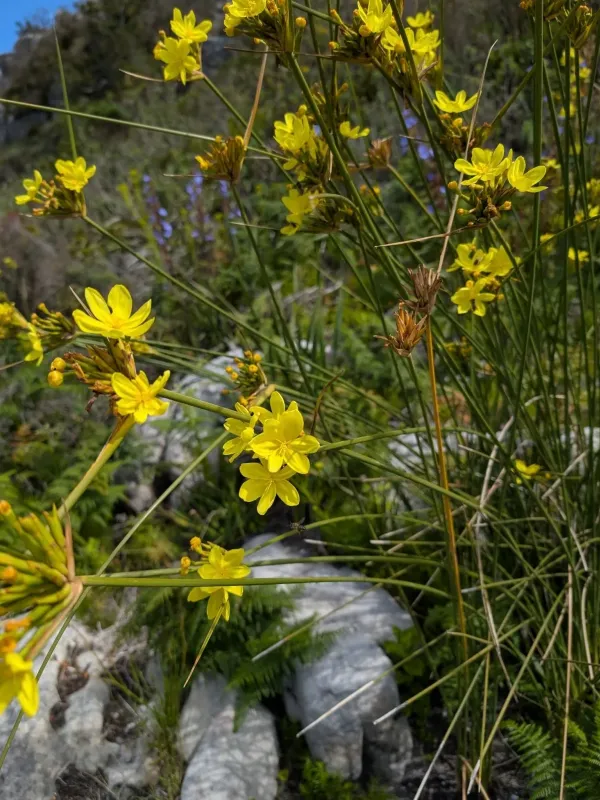
Description
Growing requirements
Bobartia indica is a perennial herbaceous plant belonging to the Iridaceae family. While not a primary agricultural crop, it is a significant botanical species native to the Western Cape region of South Africa, characterized by its resilient nature.
The plant thrives in the unique ecosystem known as fynbos. It has evolved to survive in nutrient-poor, acidic soils, showing a remarkable ability to extract resources in challenging environments.
For cultivation, Bobartia indica requires exceptionally well-drained, sandy, or gravelly soil. It is highly intolerant of waterlogging, which necessitates careful site selection to ensure moisture does not pool around the roots.
Exposure to full sun is essential for the plant to maintain its structural integrity and health. The tough, sword-like foliage is adapted to high solar radiation levels common in its native habitat.
Agrotechnical management involves mimicking its natural cycle of dry summers and wet winters. Fertilization should be kept to a minimum, as the species is adapted to low-fertility conditions and can suffer from excessive nitrogen application.
Main diseases and pests
Root rot is the most significant threat to Bobartia indica, typically caused by fungal pathogens when the drainage is insufficient. Maintaining adequate aeration in the soil is critical for preventing these infections.
Pests such as thrips can infest the rigid leaves, causing aesthetic damage and weakening the plant's photosynthetic capacity. Integrated pest management is recommended when cultivation is performed on a larger scale.
Slugs and snails can be problematic for younger plants or new shoots during moist periods. Protecting emerging growth is necessary to ensure the plant reaches maturity without significant leaf damage.
Viral infections can sometimes occur, often transmitted by insect vectors. Identifying and removing infected individual plants quickly helps prevent the spread of the pathogen throughout the entire population.
Good hygiene practices in the planting area, including the removal of dead or decaying organic matter, are essential to minimize the risk of bacterial and fungal outbreaks during the wetter months of the year.