
Bobartia
Bobartia hybrids
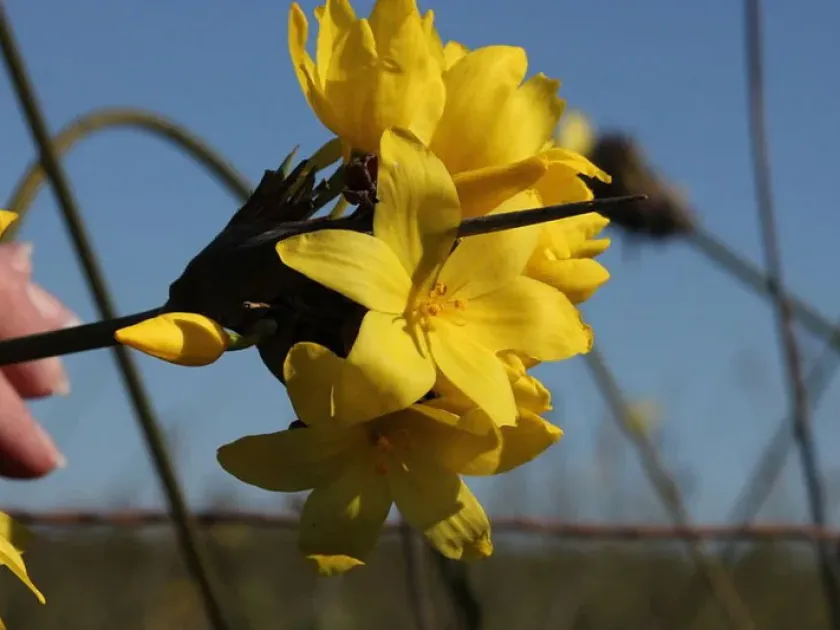
Description
Growing requirements
Bobartia is a genus of perennial herbaceous plants belonging to the Iridaceae family. Native to South Africa, these plants have evolved to survive in environments that often experience significant seasonal changes and drought conditions.
The cultivation of Bobartia requires well-draining soil, ideally of a sandy or gritty composition. The plant thrives in full sun, necessitating locations where it can receive direct light for most of the day to maintain its structural integrity.
Water management is the most important aspect of Bobartia maintenance. While drought-tolerant once established, the plants are highly susceptible to root rot if kept in consistently damp conditions. A "soak and dry" approach to watering is strongly recommended.
Climate requirements include protection from severe frost. In temperate zones, Bobartia is best suited for greenhouse or container cultivation, where the gardener can precisely control both the soil moisture and the surrounding ambient temperature.
Botanically, Bobartia is characterized by its stiff, often ensiform (sword-shaped) leaves and sturdy flowering stems. Its architectural form makes it a sought-after choice for xeriscaping, where minimal water input and distinctive aesthetics are preferred.
Main diseases and pests
The primary threat to Bobartia in cultivation is fungal decay caused by poor drainage or excessive humidity. Rotting of the rhizomes or basal foliage is often an irreversible condition if not addressed by immediate repotting into drier substrate.
Pests such as thrips and spider mites are common adversaries for this genus. These insects can inflict significant damage to the leaf surface, leading to disfigurement and reduced vigor in the plant's seasonal growth cycle.
Preventative care focuses on ensuring adequate airflow around the base of the plant. Avoiding overhead irrigation during periods of high humidity helps to minimize the environment that fungi require to propagate and infect the leaves.
Effective pest management involves regular inspection of the leaf axils, where insects tend to hide. If infestation levels become severe, targeted application of appropriate miticides or insecticides is necessary to preserve the plant's health.
Maintaining a clean growing environment is essential. By removing decaying organic matter from the surface of the soil and using sterilized tools for any necessary pruning or division, gardeners can successfully prevent most common botanical threats.