
Bobartia macrospatha
Bobartia macrospatha
Description
Growing requirements
Bobartia macrospatha is an ornamental perennial plant belonging to the Iridaceae family. Native to South Africa, it is adapted to Mediterranean-type climates, characterized by distinct seasonal cycles and well-drained soils.
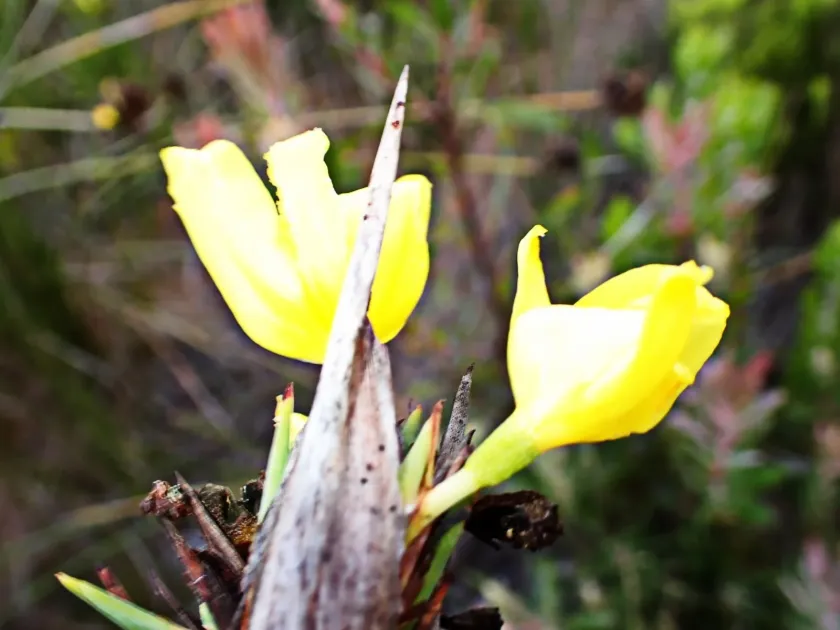
The plant is recognized by its stiff, rush-like leaves that form dense, attractive clumps. Its distinct feature, as reflected in its specific epithet, is the prominent spathe-like bracts that encapsulate the flowers, creating a unique structural aesthetic in the garden.
This species thrives in sandy or well-drained loamy soils with a neutral to slightly acidic pH. Effective drainage is the most critical factor for successful cultivation, as the rhizomes are highly susceptible to rot when subjected to prolonged moisture stagnation.
Exposure to full sun is essential for Bobartia macrospatha. Adequate light levels are required to maintain the rigidity and healthy coloration of the leaves. In colder climates, it is recommended to grow this plant in containers to facilitate protection from frost during winter months.
The water regime should be managed carefully, with a reduction in watering during the winter dormant phase. While the plant shows some resistance to moderate drought, maintaining consistent soil moisture during the spring growth phase is vital for optimal development.
Main diseases and pests
The most significant threat to Bobartia macrospatha is the development of root rot, which typically stems from overwatering or inadequate soil drainage. Monitoring moisture levels is the most effective way to prevent catastrophic loss.
Thrips are a common pest that target the tough leaf tissues, causing visible disfigurement and affecting the plant's overall health. Integrated pest management, including systemic insecticides, is often necessary to control severe infestations.
Spider mites can be problematic in hot, dry environments or inside glasshouses. Their feeding activity leads to leaf stippling and yellowing, necessitating regular inspections and the use of appropriate acaricides if required.
Nutrient deficiencies, particularly involving iron or magnesium, may lead to chlorosis. Maintaining the correct soil profile and applying balanced, slow-release fertilizers can help prevent physiological disorders and sustain vibrant foliage.
Fungal leaf spot diseases can emerge if air circulation is insufficient. Ensuring proper spacing between plants and keeping the foliage dry are important practices to minimize the spread of pathogens in humid or enclosed growing conditions.
Harvesting
The primary utility of Bobartia macrospatha lies in landscape design and the floral industry. It serves as an excellent architectural plant for dry gardens, rockeries, and Mediterranean-themed landscapes due to its unique silhouette.
For floristic use, flower stems are harvested when the spathes have fully opened. These stems are highly valued in floral arrangements for their longevity and sculptural form, often staying fresh in water for an extended period.
Propagation is primarily achieved through division of the rhizomatous clumps during the early spring or late autumn, just before or after the peak growth season. This method ensures the production of genetically identical, healthy offspring.
When collecting seeds, it is important to monitor the maturation of the seed pods. They should be harvested shortly before the natural dehiscence occurs to prevent the loss of seeds on the garden floor.
Maintenance pruning of the foliage is recommended to preserve the plant's tidy appearance. Removing damaged or senescent leaves encourages healthier new growth and prevents the accumulation of organic debris that could attract unwanted pests.