
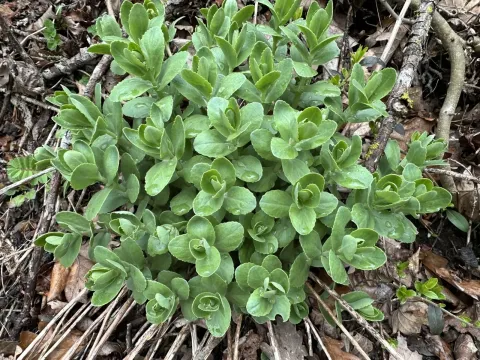
Stonecrop
Hylotelephium x Sedum
Stonecrop (Hylotelephium x Sedum) is a versatile genus belonging to the Crassulaceae family, which is widely recognized for its high adaptability and low maintenance requirements in agriculture.
What the section contains

Stonecrop
Propagation is most effectively achieved through stem cuttings or root division, ensuring that plants are established during the active growing season from late spring to mid-summer.
When sowing seeds, it is essential to provide a well-draining, sandy substrate to facilitate proper germination and prevent the damping-off of seedlings in their early development stages.
The transplantation of young plants into the field should occur after the final spring frosts, allowing the root system to settle into the soil before the onset of extreme summer heat.
Proper spacing is crucial to ensure adequate airflow between plants, which is a key factor in reducing the risk of fungal outbreaks within the crop canopy.
Stonecrop species are renowned for their ability to thrive in harsh environments, characterized by extended periods of drought and high light intensity.
These plants require full sun exposure to maintain their characteristic physiological vigor and to prevent the etiolation of shoots that occurs under shaded conditions.
Soil requirements are modest; the culture thrives in well-aerated, rocky, or sandy soils where water is not allowed to accumulate around the root crown for long periods.
Minimal fertilization is recommended, as excess nutrient availability often leads to weak, succulent stems that are less resistant to physical damage and environmental stressors.
The culture demonstrates significant tolerance to varying soil pH levels, making it a reliable choice for reclamation projects and low-input agricultural land management.
The most common biological threats to stonecrop include root rots and fungal pathogens, which typically arise in overly moist or poorly drained soil environments.
Pests such as aphids, mealybugs, and vine weevils can cause significant damage to the succulent leaves, necessitating timely monitoring and localized treatment strategies.
Cultural control remains the primary defense: avoiding waterlogged conditions and promptly removing infested plant material significantly reduces the impact of pest populations.
In cases of severe infestation, the application of horticultural oils or systemic insecticides may be necessary, provided that the dosage is adjusted for succulent species.
Maintaining clear, weed-free surroundings helps in reducing competition for nutrients and limits the habitat availability for harmful larvae and pathogens.