
Cauticola stonecrop
Hylotelephium cauticola x Sedum tetractinum
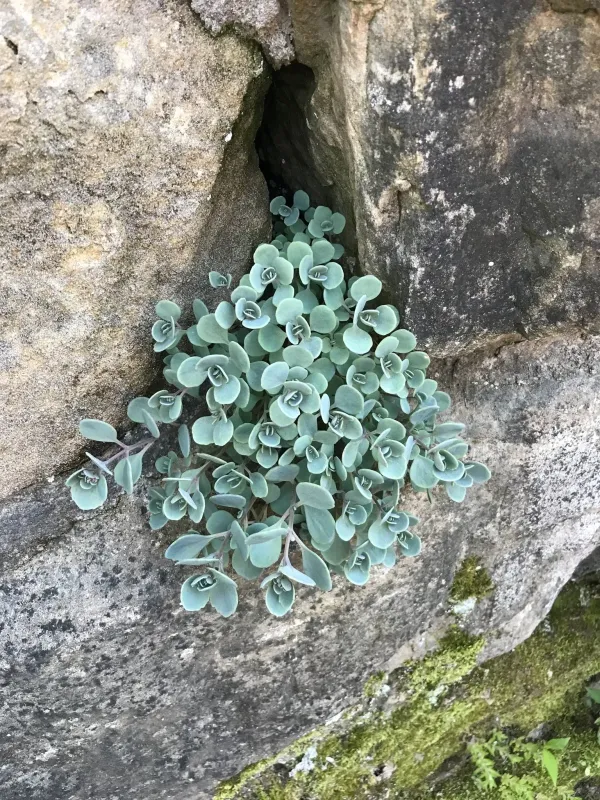
Description
Growing requirements
Cauticola stonecrop is a perennial succulent belonging to the Crassulaceae family. It is a distinctive hybrid plant that forms low, compact mats of fleshy foliage, making it a valuable addition to rock gardens and groundcover agricultural landscapes.
The plant originates from the rocky mountain regions of East Asia, which defines its inherent ability to thrive in poor, stony soils. Its biological structure is highly adapted to conserve moisture, allowing it to survive periods of intense drought.
To ensure optimal growth, this species requires full sun exposure. Adequate light is essential for maintaining the plant's characteristic low-growing, dense form and preventing the loss of leaf pigmentation that occurs when the plant is kept in shaded areas.
Soil requirements for Cauticola stonecrop are centered on excellent drainage. It does not tolerate waterlogged conditions, which can lead to rapid decay of the root system. Sandy, gritty, or rocky soils are ideal for mimicking its natural alpine habitat.
Agricultural management is relatively simple, requiring minimal intervention once established. The plant does not need frequent fertilization, as excessive nitrogen often results in weak, spindly growth and renders the plant more susceptible to environmental stressors.
Main diseases and pests
The most common threat to this plant is root rot caused by poor soil drainage and excessive humidity. When the root zone remains wet for extended periods, the succulent tissues lose their integrity, leading to the rapid decline of the entire colony.
Pests such as aphids and mealybugs represent significant risks, as they colonize the tender tissues of the stems and leaves. Their feeding habits cause localized damage and can lead to the transmission of secondary diseases that complicate plant recovery.
Slugs and snails can cause considerable damage, especially during cool, damp spring weather. Protecting the plants involves keeping the surrounding soil surface dry or using physical barriers to prevent these mollusks from reaching the foliage.
Fungal infections, including leaf spot diseases, may occur if air circulation is inadequate. Dense plantings or overgrown surrounding vegetation can create stagnant microclimates that promote the development of these problematic fungal pathogens.
Effective pest and disease control requires proactive monitoring and adherence to proper watering schedules. By prioritizing soil aeration and limiting overhead irrigation, growers can significantly reduce the need for chemical treatments.