
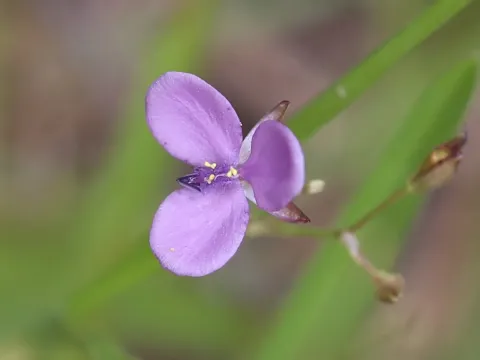
Murdannia
Murdannia Royle
Murdannia is a genus of herbaceous plants belonging to the Commelinaceae family. Native to tropical and subtropical regions of Asia, Africa, and Australia, these plants are adapted to high humidity and moderate light conditions.
What the section contains

Murdannia
Botanically, Murdannia species typically exhibit fleshy stems and elongated, lance-shaped leaves. Some species are grown for their ornamental value, while others are known for their rapid spread through creeping stems that root at the nodes.
Cultivation requires a specific environment with consistent warmth, typically between 20°C and 25°C. They thrive in environments with bright, indirect sunlight, which prevents leaf scorching while supporting robust chlorophyll production.
The soil should be rich in organic matter and possess excellent drainage properties. A slightly acidic to neutral pH level is ideal for promoting nutrient uptake in these tropical herbs, ensuring healthy development of the root system.
Proper agronomy practices involve maintaining consistent soil moisture without allowing waterlogging. Regular irrigation during the peak growth season is essential, combined with periodic application of liquid fertilizers to maintain foliage vigor.
Spider mites are the most common pests affecting Murdannia, especially when the ambient humidity drops below optimal levels in greenhouse settings.
Root rot remains a primary disease risk, often caused by overwatering or compacted soil that limits oxygen availability to the plant's delicate roots.
To mitigate threats, growers must prioritize soil aeration and regular monitoring of foliage for early signs of infestations, such as webbing or yellowing spots.
Fungicidal treatments are recommended only if symptoms of fungal rot persist despite corrective watering measures, as chemical exposure can stress the plants.
Effective management includes maintaining a clean growing area and pruning away old or diseased stems to improve air circulation and prevent the spread of pathogens.