
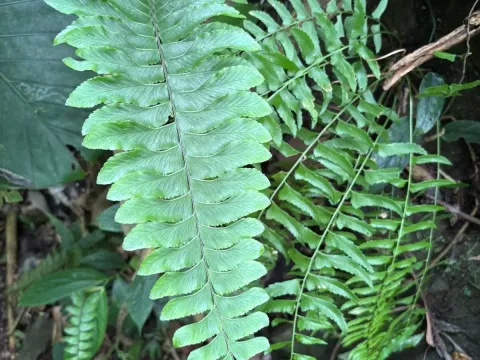
Hymenasplenium
Hymenasplenium
Hymenasplenium belongs to the Aspleniaceae family and represents a genus of perennial ferns characterized by distinct rhizomes and complex frond structures. These plants are scientifically recognized for their adaptability to specific moist tropical niches.
What the section contains


Hymenasplenium
Originating from humid forest habitats in tropical and subtropical regions, these plants require high atmospheric humidity to thrive. In horticultural settings, it is essential to mimic their natural environment by providing deep shade and avoiding exposure to direct sunlight.
The soil requirements for this culture involve a porous, well-draining medium that retains moisture without becoming waterlogged. A mixture of peat, perlite, and bark is often recommended to maintain optimal aeration for the roots.
Climate conditions are critical, with an ideal temperature range between 18°C and 25°C. The plant exhibits high sensitivity to drastic temperature fluctuations and drafts, which can negatively impact the growth cycle and overall vitality of the fronds.
Hymenasplenium is primarily utilized in the ornamental industry, appreciated for its sophisticated aesthetic appeal. It is commonly found in botanical conservatories, terrariums, and specialized collections that allow for precise control of the microclimate.
Major diseases include root rot, which is usually triggered by overwatering or poor drainage systems. This fungal issue manifests through the wilting of fronds and requires immediate remediation, including root pruning and repotting in sterile soil.
Pest pressures are significant, particularly from spider mites and scale insects. These pests thrive in dry environments, making it necessary to maintain high ambient humidity and perform periodic inspections of the underside of the leaves.
Fungal leaf spots can occur when water sits on the fronds for extended periods in environments with poor air circulation. Improving ventilation and ensuring that leaves are kept dry during watering are essential management strategies.
Leaf nematodes present a more severe biological threat, capable of causing localized necrotic tissue. Control involves rigorous sanitation practices and immediate removal of any infected plant material to prevent the spread to adjacent specimens.
Nutrient imbalances or incorrect soil pH levels can lead to chlorosis, where the fronds lose their vibrant green color. Utilizing balanced, dilute liquid fertilizers formulated specifically for ferns helps maintain the plant's health and aesthetic value.