
Hymenasplenium unilaterale
Hymenasplenium unilaterale
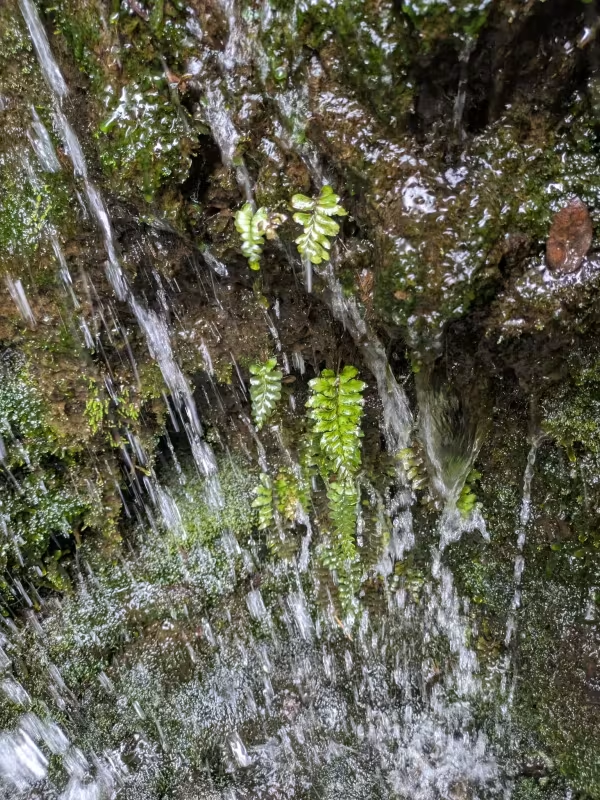
Description
Growing requirements
Hymenasplenium unilaterale is a perennial fern species belonging to the Aspleniaceae family. While not a conventional agricultural crop, it is a significant plant in ornamental botany and specialized plant collections due to its distinct morphology and habitat requirements.
The plant originates from the humid tropical and subtropical regions of Asia and Africa. In its native environment, it thrives in shaded, high-humidity locations, often found near forest streams, on damp rocks, or in nutrient-rich forest litter where moisture is consistent.
Botanically, the species is recognized by its delicate fronds, which exhibit a distinct asymmetrical arrangement of pinnae. Its creeping rhizome structure allows it to anchor itself efficiently on substrates that provide constant moisture without becoming waterlogged.
Cultivation requirements involve mimicking its natural understory environment. Growers must provide a loose, organic-rich potting medium that ensures both water retention and excellent drainage. The species is highly intolerant of direct sunlight and drying temperatures.
In terms of хозяйственное (economic/practical) use, the plant is primarily cultivated for aesthetic purposes. It is a popular choice for paludariums and terrariums, where it serves as a foundational species for replicating tropical forest landscapes.
Main diseases and pests
Common plant health threats include fungal pathogens that flourish in poorly ventilated environments or when the substrate remains excessively waterlogged for extended periods.
Environmental stress, particularly low humidity, poses a major risk by making the fern susceptible to spider mites and scale insects, which cause significant damage to the fronds if left unmanaged.
Nutrient deficiency can lead to chlorosis and stunted growth; therefore, balanced organic fertilization is necessary to maintain the vibrant green color of the foliage.
Disease control involves regular monitoring of the fronds for signs of spotting or decay, followed by immediate removal of affected sections to prevent the spread of infection.
Success in maintaining this species depends on strict adherence to microclimate stability, avoiding cold drafts and ensuring that ambient moisture levels remain high throughout the vegetative phase.