
Hymenasplenium hondoense
Hymenasplenium hondoense
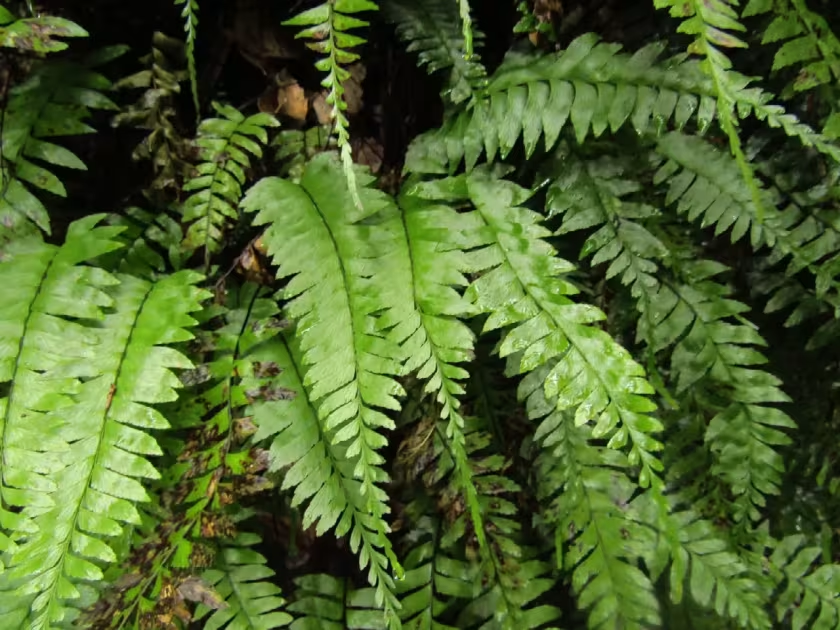
Description
Growing requirements
Hymenasplenium hondoense is a perennial pteridophyte belonging to the family Aspleniaceae. Originating from the humid regions of East Asia, this fern is adapted to specialized micro-habitats such as rocky ravines and stream banks, where it thrives under deep shade and high ambient moisture.
Botanically, this species is characterized by its delicate, arching fronds and a creeping rhizome system. As a cultivated plant, it is valued for its elegant form and suitability for cool, shaded indoor environments where it adds structural interest without requiring direct sunlight.
The substrate for cultivation must be highly porous and moisture-retentive, mimicking the natural forest floor litter. A recommended mixture includes peat, perlite, and pine bark to ensure adequate drainage and slightly acidic pH levels, which support the delicate root structures of the fern.
Agricultural management requires consistent environmental control, particularly regarding humidity, which should remain above 60-70% to prevent frond desiccation. Irrigation should be performed carefully, avoiding water accumulation at the crown to prevent decay while ensuring the root ball never completely dries out.
Propagation is generally performed via rhizome division during the spring, ensuring that each segment retains viable roots and frond buds. The cultivation area should be maintained at a stable, cool temperature, as this species is sensitive to heat stress and fluctuations in light intensity that may scorch the foliage.
Main diseases and pests
The main threats to this species include fungal infections such as Rhizoctonia or Pythium, which are triggered by poor air circulation and excessive moisture. Common pests include aphids and mites, which can cause significant damage to the soft fronds; therefore, routine inspections are essential for plant protection.