
Mother fern
Asplenium daucifolium
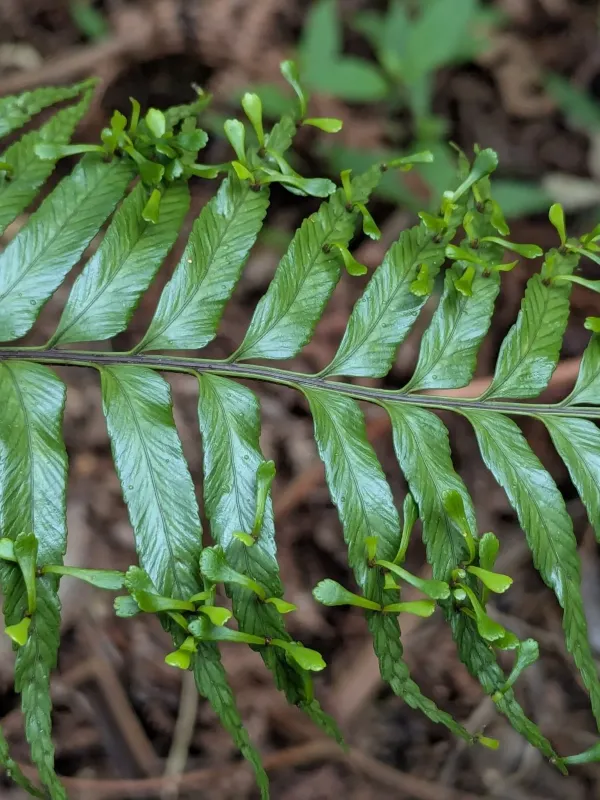
Description
Growing requirements
The Mother fern (Asplenium daucifolium), belonging to the Aspleniaceae family, is a distinct fern species valued for its finely divided, carrot-like fronds. It is indigenous to the tropical forests of Mauritius, where it thrives in shaded, high-humidity environments.
This fern is botanically unique due to its viviparous nature, as it frequently produces small plantlets directly on the surface of its mature fronds. These plantlets can be separated for propagation, which is a key agronomic feature for commercial greenhouse production.
Environmental requirements include a consistent temperature range between 18°C and 24°C and high ambient humidity. The species is sensitive to rapid climate shifts and cannot tolerate cold drafts, which cause immediate leaf necrosis and plant decline.
The optimal soil medium must be highly porous and moisture-retentive, typically composed of a blend of peat, perlite, and pine bark. Proper drainage is essential, as the roots are highly susceptible to rot if submerged in stagnant water for extended periods.
Cultural care involves maintaining diffuse lighting conditions, as direct sunlight leads to leaf scorching. In indoor farming environments, it is essential to mimic the forest floor conditions, ensuring steady aeration and controlled moisture levels at the root zone.
Main diseases and pests
Common pests affecting this species include scale insects, mealybugs, and spider mites. These pests thrive in dry conditions and can cause significant damage to the delicate foliage if left unmonitored during the early stages of infestation.
Fungal pathogens such as Rhizoctonia or Pythium root rot are primary threats resulting from improper irrigation management. Overwatering and poor substrate aeration create the perfect environment for these pathogens to colonize the root system.
Physiological disorders, such as tip burn, are frequently observed when the plant is exposed to saline water or fluctuating humidity levels. Using distilled or filtered water is recommended to prevent mineral buildup in the leaf tissues.
Integrated pest management strategies involve the use of systemic insecticides and regular inspections of the frond undersides. Biological controls, such as predatory mites, can be effective in greenhouse settings where pesticide use is restricted.
Prevention of disease is centered on strict sanitation of the growing area. Removing old or decaying fronds ensures better air circulation, which significantly reduces the risk of fungal outbreaks in high-density cultivation blocks.