
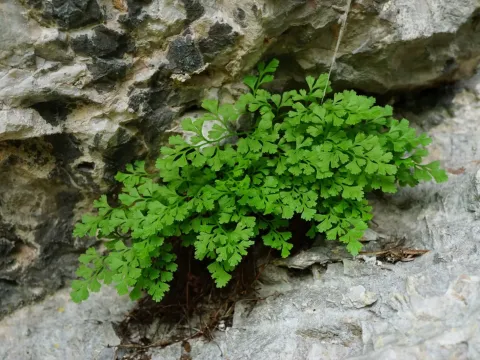
Asplenium lepidum
Asplenium lepidum
Asplenium lepidum is a distinctive perennial fern belonging to the Aspleniaceae family. It is a lithophytic plant, naturally occurring in crevices of limestone rocks, which dictates its preference for mineral-rich and alkaline environments.
What the section contains
Asplenium lepidum
The native distribution of this species is centered in the mountainous regions of Europe. It is highly adapted to cooler, stable climates and thrives where humidity is consistently moderate, avoiding the extremes of heat and direct, intense light.
To cultivate this species successfully, a specialized substrate is mandatory. It requires a fast-draining, gritty mix that includes limestone chippings to replicate its natural habitat. The roots need oxygen, and the medium should never be allowed to stay waterlogged.
Light requirements for this fern are strictly indirect. It flourishes in dappled shade or north-facing conservatory positions. Exposure to direct sunlight can severely damage the fronds, leading to permanent bleaching and tissue necrosis.
Regarding water quality, it is essential to use soft water or rainwater. The accumulation of salts from hard tap water can be detrimental to this sensitive species, often leading to tip burn and a stunted growth pattern over time.
The primary threat to Asplenium lepidum is fungal infection, usually triggered by poor ventilation and overly damp growing conditions. Botrytis and root rot are the most common issues that can quickly devastate a collection.
Pests such as mealybugs and scale insects are frequently encountered in cultivation. These pests thrive in the tight spaces under the scales of the fronds, making early detection and manual removal or systemic treatment critical for plant health.
Red spider mites may appear if the environmental humidity drops too low for an extended period. These mites cause the foliage to lose its characteristic sheen and eventually wither if left untreated, necessitating regular humidity monitoring.
Preventive measures include maintaining excellent air circulation around the plants and ensuring the substrate dries slightly between waterings. Removing dead or damaged fronds promptly reduces the risk of disease spreading throughout the plant.
Integrated pest management is recommended for this species. Using biological controls or targeted, gentle horticultural oils is preferred over harsh chemical applications to avoid damaging the delicate structures of the fern fronds.