
Asplenium longissimum
Asplenium longissimum
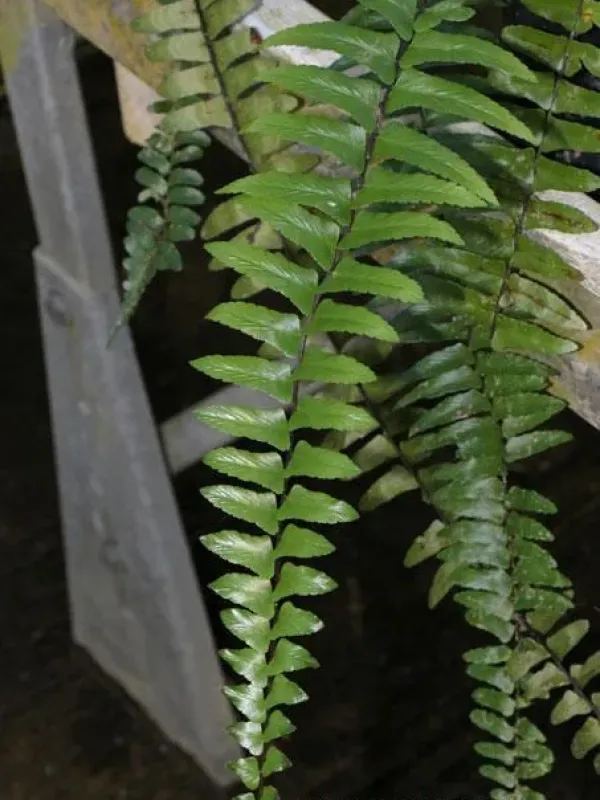
Description
Growing requirements
Asplenium longissimum is a distinct species within the Aspleniaceae family, native to the tropical regions of Southeast Asia. This fern is known for its long, cascading fronds, often thriving as an epiphyte in humid forest canopy environments.
To cultivate this plant successfully, it is essential to maintain a consistent temperature range between 20°C and 25°C. Sudden fluctuations or cold drafts will significantly stress the plant and may lead to necrotic leaf tips.
High humidity is the most critical environmental requirement for this species. In cultivation, moisture levels should be kept above 60% through regular misting or automated irrigation systems to mimic its natural tropical habitat.
The planting substrate must be well-draining, airy, and rich in organic matter. A mixture consisting of peat moss, pine bark, perlite, and charcoal provides the ideal balance of moisture retention and root ventilation.
Regarding light conditions, Asplenium longissimum prefers bright, indirect light. Exposure to direct sunlight must be strictly avoided, as it can cause rapid dehydration and irreversible bleaching of the delicate fern fronds.
Main diseases and pests
Pests such as scale insects and mealybugs are the primary threats to the health of this fern. They often inhabit the base of the fronds and the underside of the leaves, where they are difficult to detect during early infestations.
Root rot, caused by overwatering and poor drainage, is a common issue that frequently leads to the collapse of the plant. Ensuring that the substrate remains moist but never waterlogged is essential for long-term survival.
Fungal leaf spot diseases may develop in environments with poor air circulation and excessive humidity on the leaf surfaces. Improving airflow and avoiding overhead watering are effective preventive measures.
Spider mites can become problematic if the surrounding air is too dry for prolonged periods. Regular inspection of the foliage is recommended to catch mite colonies before they cause extensive damage to the plant.
Control measures involve maintaining high cultural standards, including clean irrigation practices and the use of insecticidal soaps or systemic treatments when pests are identified on the plant structure.