
Asplenium lolegnamense
Asplenium lolegnamense
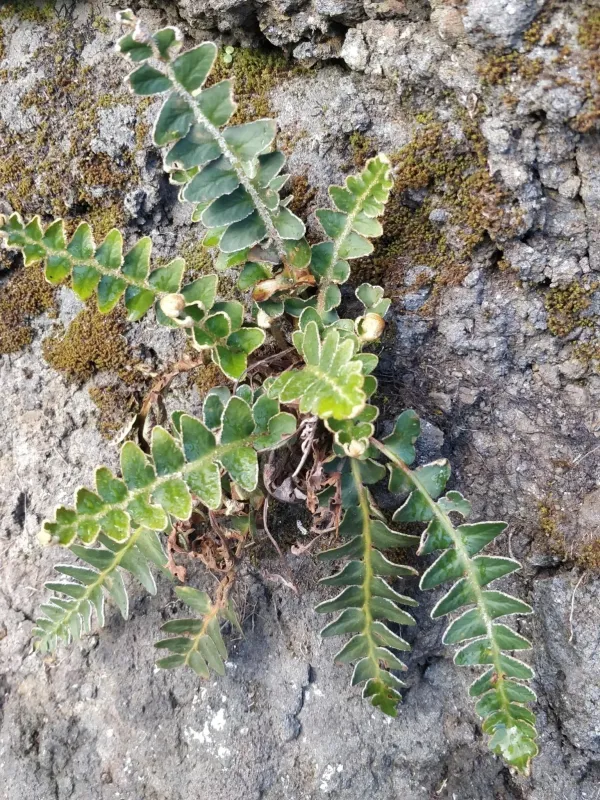
Description
Growing requirements
Asplenium lolegnamense is a rare fern species belonging to the family Aspleniaceae. It is a highly specialized plant, native to the island of São Tomé, where it occupies very specific ecological niches within the local montane tropical forest ecosystems.
The plant thrives in environments characterized by high atmospheric humidity and stable, moderate temperatures. As a forest-floor dweller or epiphyte, it is naturally adapted to low-light conditions, relying on diffused sunlight rather than direct exposure, which could cause significant leaf damage.
Botanically, it features delicate, pinnate fronds characteristic of the genus Asplenium. Its reproductive cycle is tied to the availability of moisture, as the spores require specific damp conditions on the substrate to successfully develop into the next generation of gametophytes.
Regarding soil requirements, it prefers a well-draining, highly organic substrate that is slightly acidic. Maintaining constant moisture without waterlogging is critical, as the roots are prone to decay if kept in stagnant, poorly ventilated conditions, typical of heavy clay soils.
Cultivation of this fern requires precise environmental control. It is essentially an ornamental or scientific specimen that demands a stable microclimate, high humidity, and protection from drafts, making it a challenging species for standard horticultural practices outside of specialized collections.