
Autonoe haemorrhoidalis
Autonoe haemorrhoidalis
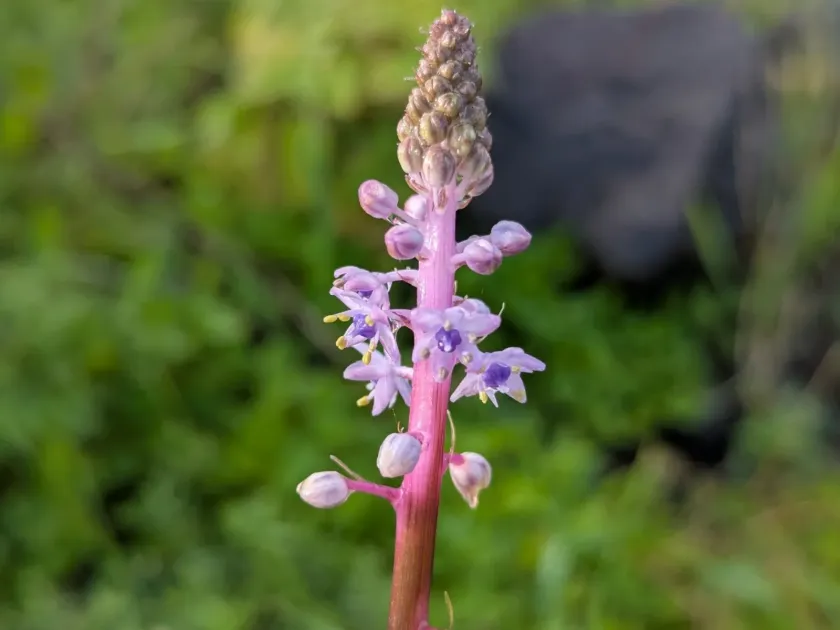
Description
Growing requirements
Autonoe haemorrhoidalis is not an agricultural crop but a species of sea anemone belonging to the family Aiptasiidae, occurring naturally in specific marine environments.
This organism requires high-quality marine conditions, characterized by stable salinity levels and consistent temperatures typical of subtropical or tropical water systems.
The substrate preference for this species involves stable, non-porous surfaces where the pedal disc can securely attach, allowing the anemone to extend its tentacles for feeding.
Water quality parameters must remain within strict bounds, specifically keeping the pH level between 8.1 and 8.4 to support the physiological functions of the organism.
Adequate water flow is essential for nutrient transport and waste removal, ensuring that the organism does not suffer from localized accumulation of metabolites.
Main diseases and pests
The primary threats to Autonoe haemorrhoidalis include abrupt fluctuations in water chemistry, such as rapid changes in salinity or mineral concentration due to evaporation.
Pathogenic organisms, including certain marine bacteria that induce tissue necrosis, pose a severe risk to the health and structural integrity of the anemone.
Chemical contamination, specifically the presence of endocrine-disrupting chemicals or excess heavy metals in the surrounding water, can severely impair the creature.
Temperature-induced bleaching, resulting from heat stress, is a common physiological failure mode that often leads to the death of the anemone if not corrected immediately.
Inter-species competition for space and nutrients can limit the growth potential of individuals, particularly when environmental resources are in short supply.