
Big Mountain Palm
Hedyscepe canterburyana
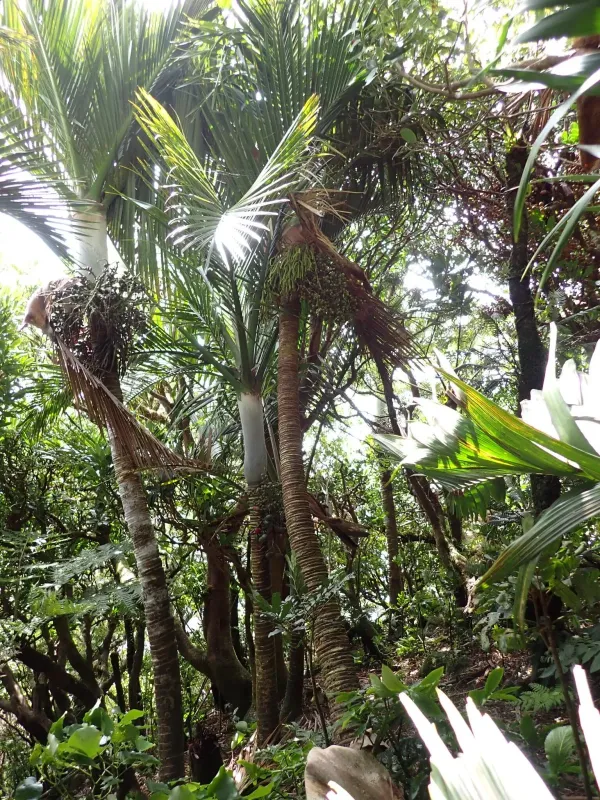
Description
Growing requirements
Hedyscepe canterburyana, known as the Big Mountain Palm, is a monotypic genus in the Arecaceae family. This palm is endemic to the high-altitude cloud forests of Lord Howe Island, which dictates its preference for cool and misty environments.
The culture thrives in environments with high humidity and consistent moisture levels. Unlike lowland tropical palms, it prefers mild temperatures and struggles significantly in hot, arid conditions or places with extreme temperature fluctuations.
The ideal soil substrate for this palm is a well-draining, nutrient-rich mix that mimics the forest floor. It requires protection from direct, intense sunlight, especially during the juvenile stage, preferring filtered light to maintain its deep green foliage.
Maintenance of this species in an agricultural or greenhouse context demands precise irrigation strategies. The soil should remain damp but never waterlogged, as the roots are highly susceptible to rot if oxygen supply is restricted.
In terms of development, it is a slow-growing species, which makes it a premium choice for botanical collections and specialized landscaping. Its architectural beauty lies in its smooth, ringed trunk and upright, arching pinnate leaves.
Main diseases and pests
Root rot caused by Phytophthora or similar soil-borne fungi is the most critical threat to the Big Mountain Palm. This usually occurs when drainage is insufficient, leading to stagnant water around the root zone.
Pests such as scale insects and mealybugs are persistent adversaries. These insects cluster in the crevices of the frond bases and along the leaf rachis, extracting essential nutrients and weakening the overall health of the specimen.
Spider mites pose a significant risk in controlled environments with low humidity. Infestations can cause discoloration and premature leaf drop if not managed promptly with consistent misting or specialized miticides.
Leaf spot diseases are common when air circulation is poor. Maintaining proper spacing between plants and ensuring active ventilation are primary cultural controls for preventing the spread of bacterial or fungal spots.
Regular sanitation, including the removal of dead or dying fronds and the application of systemic insecticides when necessary, is vital to ensure the longevity of the plant in cultivation.