
Chambeyronia oliviformis
Chambeyronia oliviformis
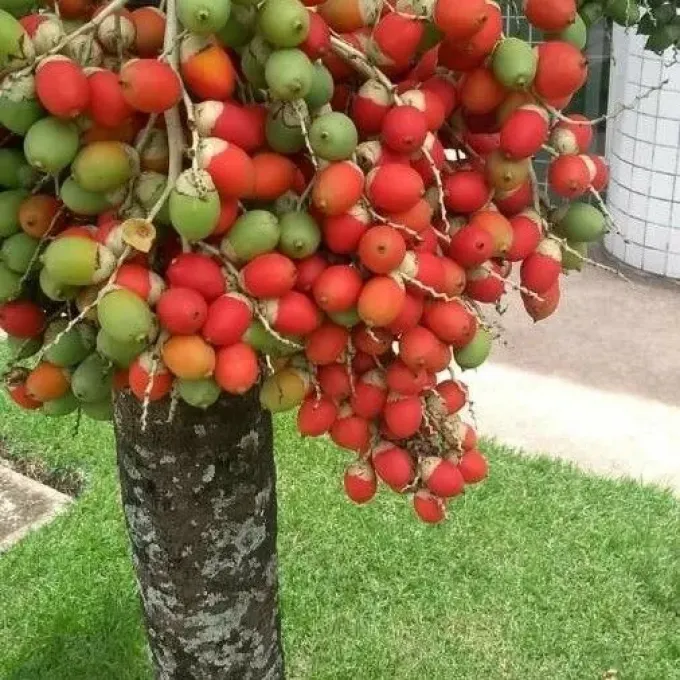
Description
Growing requirements
Chambeyronia oliviformis, commonly known as the Red Feather Palm, belongs to the Arecaceae family. It is native to the rainforests of New Caledonia, where it thrives in shaded, humid environments.
The most distinctive botanical feature of this palm is its spectacular new growth, which emerges in a vivid red or burgundy color. This color gradually fades to green as the leaf matures, making it a highly prized specimen for collectors.
In terms of climate requirements, this species prefers stable tropical temperatures between 20°C and 28°C. It is not frost-tolerant and requires protection from extreme cold and drying winds to maintain its health.
The soil should be rich in organic matter, slightly acidic, and exceptionally well-draining. Root rot is a common issue, so the substrate must be aerated, and containers must have adequate drainage holes.
The primary use of this culture is ornamental. It is widely used in landscape design for tropical gardens or as a high-end interior plant in atriums and conservatory settings where climate control is possible.
Main diseases and pests
Common pests affecting Chambeyronia oliviformis include scale insects and mealybugs. These pests hide in the crevices of the leaf stalks and require regular inspection and manual removal or insecticidal soap application.
Fungal pathogens, particularly those causing root rot, are the most serious threat. These usually occur when the plant is kept in waterlogged soil with insufficient drainage or poor air circulation.
Spider mites can be problematic in dry indoor environments. Maintaining high ambient humidity is essential to prevent infestations and keep the foliage vibrant and healthy.
Nutrient deficiencies, specifically magnesium or iron, may manifest as chlorosis on the older fronds. A balanced, slow-release palm fertilizer is recommended to maintain optimal growth.
Poor lighting or sudden environmental changes can cause the plant to drop leaves prematurely. Consistency in light, water, and temperature is the key to preventing most cultural problems.