
Angadenia berteri
Angadenia berteri
Description
Growing requirements
Angadenia berteri is a perennial evergreen shrub belonging to the Apocynaceae family. Its native range is primarily localized within the Caribbean Basin, where the plant has evolved to thrive in high-temperature environments with distinct dry and wet cycles.
For optimal growth, the crop requires full sun exposure and well-draining soil structures. The substrate should be enriched with organic matter, maintaining a slightly acidic to neutral pH level to ensure efficient nutrient uptake throughout the growing season.
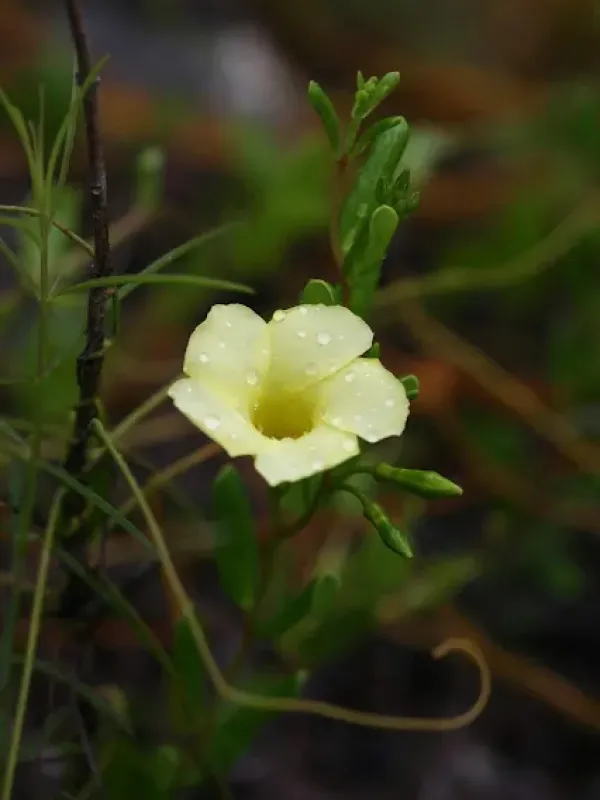
Botanically, this shrub is characterized by its glossy, coriaceous leaves and the presence of milky latex throughout its tissues. The plant structure is well-adapted to warm climates, providing resilience against seasonal temperature fluctuations, provided the frost risk remains nonexistent.
Agricultural maintenance involves consistent, measured irrigation cycles. It is critical to avoid waterlogging, as the root system is highly susceptible to asphyxiation and subsequent fungal pathogen colonization in anaerobic soil conditions.
The primary utility of this plant is in ornamental horticulture. Its aesthetic value is driven by its dense foliage and floral cycles, making it a desirable candidate for professional landscaping projects in tropical and subtropical climatic zones.
Main diseases and pests
The most significant threats to Angadenia berteri include common sap-sucking pests such as spider mites, mealybugs, and scale insects. These pests feed on plant fluids, weakening the host and often acting as vectors for secondary bacterial or viral infections.
Fungal pathogens represent a major risk, particularly root rot, which is frequently induced by excessive soil moisture and poor drainage. Botrytis and other leaf-spotting fungi can also occur in environments with high humidity and stagnant air circulation.
Integrated pest management (IPM) is recommended for this crop. This approach utilizes periodic scouting to identify infestations early, followed by targeted applications of organic or synthetic acaricides and insecticides as needed to maintain health.
Cultural control measures, including proper spacing and sanitation, are essential to minimize the spread of pathogens. Removing dead or diseased branches helps improve airflow, which is a critical factor in preventing the outbreak of foliage-based diseases.
Handling precautions are necessary due to the toxic nature of the plant's milky sap, which can cause contact dermatitis. Proper safety protocols, including the use of gloves and protective clothing, must be followed during any pruning or maintenance activities.