
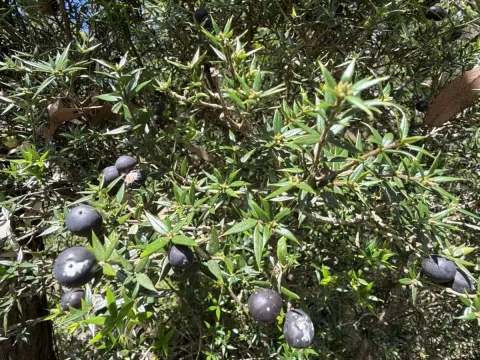
Alyxia
Alyxia
Alyxia belongs to the Apocynaceae family and consists of evergreen shrubs or lianas. In professional agricultural settings, propagation is primarily performed through cuttings, which ensures genetic consistency and provides a higher success rate compared to seed propagation methods.
What the section contains


Alyxia
Transplanting seedlings to the field or greenhouse should occur during the spring when there is no longer a risk of frost. It is vital to protect the young plants from intense direct sunlight during the establishment phase to prevent stress and ensure root development.
Seed germination requires a warm, controlled environment with temperatures consistently between +22 and +25 degrees Celsius. Using high-quality, well-draining substrates enriched with organic matter helps provide the necessary nutrients for initial sprout growth.
When planting, ensure adequate spacing between rows to facilitate airflow and simplify subsequent field operations. A distance of 1.5 to 2 meters is typically recommended for mass cultivation to prevent crowding as the shrubs mature.
After transplanting, applying an initial heavy watering is essential to eliminate air pockets around the root ball. Consistent moisture levels must be maintained during the first few weeks to support the establishment of the plant's vascular system in the new soil.
As a tropical genus, Alyxia requires a warm climate to thrive. The ideal temperature range for active growth is between +20 and +30 degrees Celsius, and the plants must be protected from temperatures dropping below +10 degrees to avoid physiological damage.
The soil must be light, porous, and well-drained. Heavy or waterlogged soils are detrimental to the root system, often leading to rot. Incorporating sand or volcanic rock into the soil mix can significantly improve aeration and prevent water stagnation.
Irrigation should be regular but controlled. Drip irrigation systems are the most effective way to manage moisture levels, keeping the soil humidity around 60-70%. This prevents the plant from experiencing the stress associated with alternating periods of drought and overwatering.
Partial shade or filtered sunlight is preferred for optimal leaf health. While these plants require light for photosynthesis, direct overhead sun in hot tropical climates can scorch the foliage and reduce the overall vigor of the crop.
Nutrient management involves applying balanced fertilizers during the active growing season. A focus on balanced NPK ratios, alongside secondary micronutrients, helps maintain leaf color and promotes healthy development of the woody stems.
Pests such as spider mites and scale insects are the primary threats to Alyxia. These insects thrive in dry, warm conditions and feed on the plant's sap, which can stunt development and lead to foliage loss if not managed promptly.
Root rot is the most common fungal issue, typically caused by improper drainage or excessive irrigation. Implementing a strict watering schedule and ensuring the soil structure remains loose are the best preventive measures against fungal pathogens.
Powdery mildew can occasionally affect the leaves in high-humidity, low-airflow environments. Regular inspection and the use of fungicides, if necessary, are effective strategies to contain and eliminate the spread of fungal spores.
Integrated Pest Management (IPM) practices are highly recommended. This includes the use of beneficial insects, such as predatory mites, to control pest populations naturally, reducing the need for chemical pesticides and promoting environmental health.
Good sanitation practices, such as removing debris and weeds around the plants, are essential for preventing the buildup of overwintering pathogens. Keeping the growing area clean reduces the reservoir of pests and diseases that could otherwise plague the crop.